
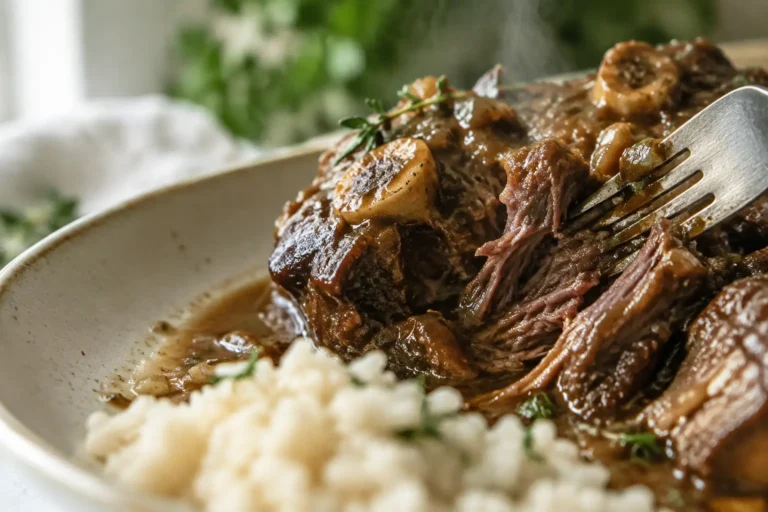
Good Pressure Cooking Starts Before The Lid Goes On
Tender curry goat, creamy beans, broth that turns silky as it cools. Those are the rewards of pressure cooking, and we can get there without treating the pot like a mystery. The most useful pressure cooker safety tips start with three habits: inspect the cooker, leave enough space inside, and let the pressure fall before opening.
I’ve used stovetop pressure cookers for home cooking and catering, where saving time matters. But speed never gets to overrule the instructions. Your model’s manual is the final word on liquid, filling, heat, and release methods; this guide helps explain why those instructions matter.
We’ve all wanted to hurry dinner along. With a pressure cooker, the smart shortcut is preparation—not rushing the lid. Let’s get into it.
How A Pressure Cooker Works
A pressure cooker traps steam, which raises the pressure inside and allows water to cook hotter than it does in an open pot. That extra heat helps firm beans and tough cuts soften faster.
Pressure cooking has earned its place in Caribbean kitchens because dishes such as stew peas and oxtail ask for patience. The cooker shortens the tenderizing stage without replacing the seasoning, browning, and finishing that give dinner its character.
The important distinction? A pressure cooker is a controlled steam environment, not simply a saucepan with a tight lid. Liquid, clear steam passages, and working controls all belong to the same system.
For an example of that useful transformation, my guide to making bone broth in a pressure cooker explores how pressure helps extract body from bones and connective tissue.
Know The Parts That Keep Pressure Under Control
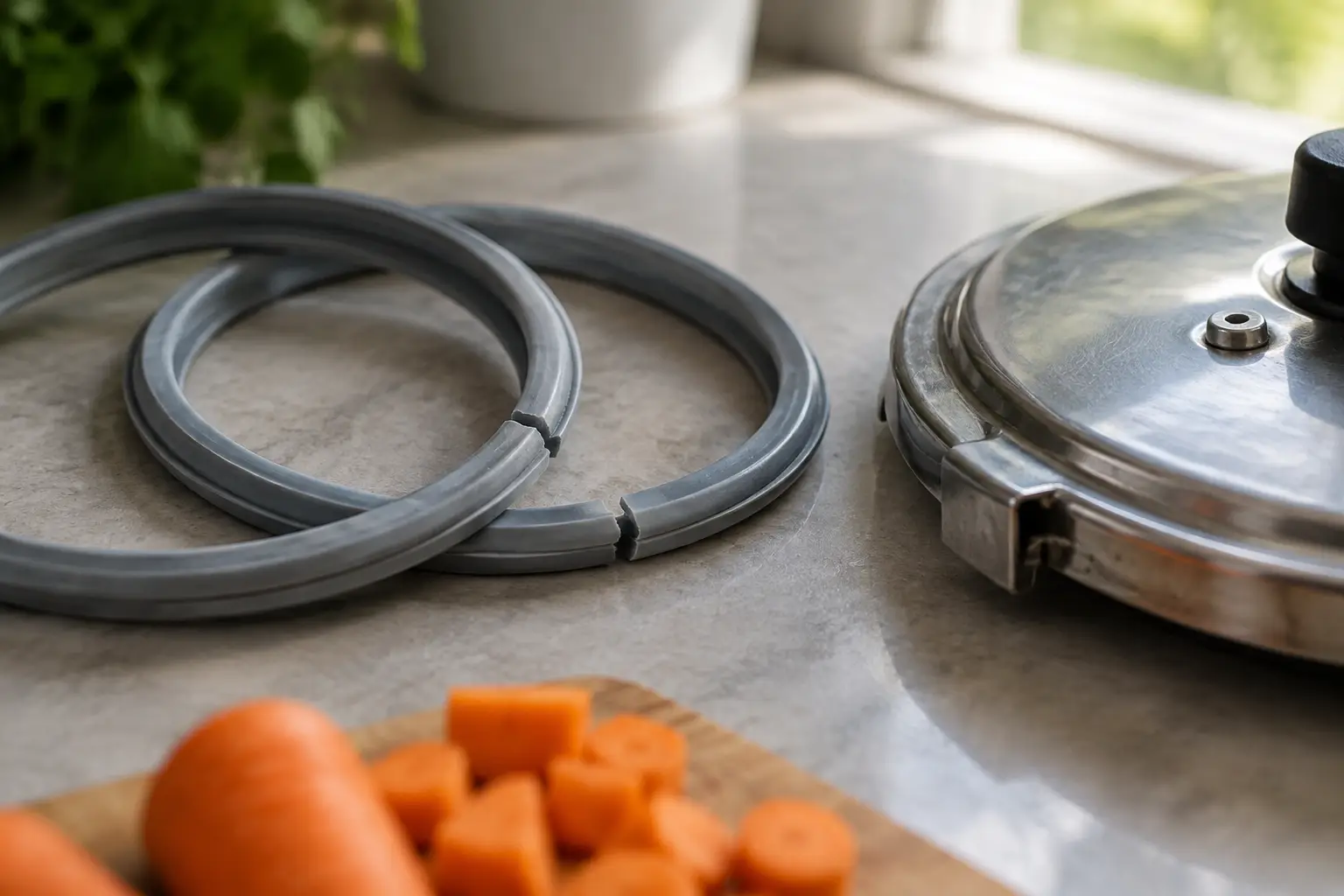
Pressure cooker safety features work together, but their names and designs vary. Before cooking, identify each part in your manual rather than assuming your new cooker works like your old one.
| Part | What It Does | What To Check |
|---|---|---|
| Sealing Ring Or Gasket | Forms the seal between the lid and pot | Correct fit; no cracks, stretching, brittleness, or trapped food |
| Steam Vent And Regulator | Provide the designed route for controlling or releasing pressure | Passages are clear and components are assembled correctly |
| Float Valve Or Pressure Indicator | Shows pressure status on models equipped with one | Clean and moving as the manual describes |
| Lid Lock | Helps prevent opening while the cooker is pressurized | Lid closes normally; nothing is damaged or forced |
| Backup Pressure-Relief Device | Provides another release route if normal regulation fails | Present, undamaged, and maintained as instructed |
| Anti-Block Shield, If Fitted | Helps keep food away from a steam passage | Clean, correctly installed, and not missing |
| Electric Base And Controls | Manage heat and programmed functions | Dry base, sound cord, correct inner pot, and no unresolved faults |
The pressure cooker safety lock is a safeguard, not permission to pull harder. A lid that resists opening is a reason to stop and check—not to reach for a tool.
My 8-quart stovetop pressure cooker review gives more context on the handling and maintenance involved with that style of cooker. Controls still need to be learned model by model.
The Pressure Cooker Safety Rules To Keep Beside You
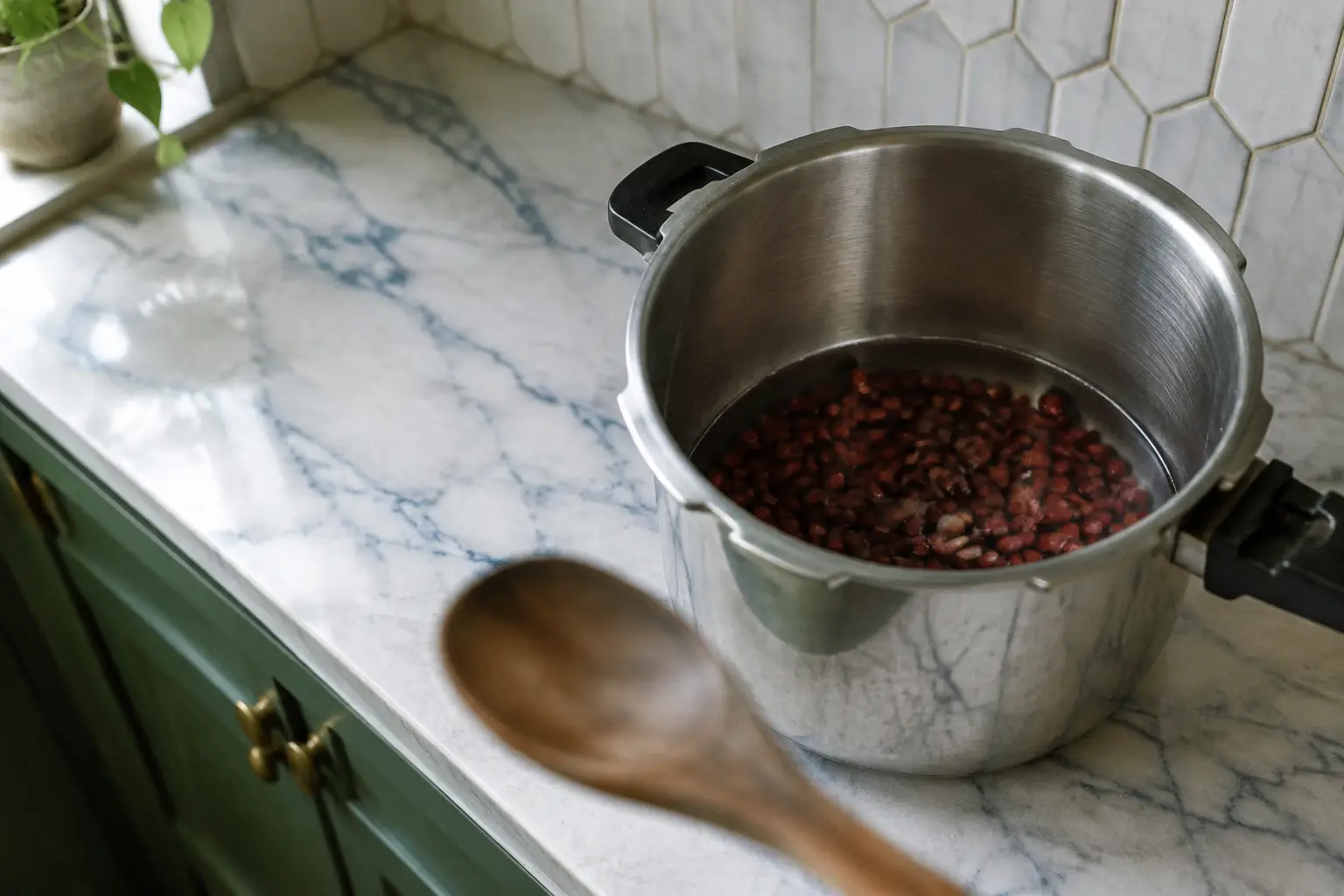
Safe cooking depends on enough thin liquid, enough empty space, and an unobstructed steam route. These are everyday habits, not advanced techniques.
| Situation | Do | Don’t |
|---|---|---|
| General Filling | Follow the marked pressure-cooking limit; many models allow no more than two-thirds full | Fill to the rim or confuse a general capacity mark with a pressure-cooking limit |
| Expanding Or Foaming Food | Use the lower limit in the manual; commonly no more than half full, including liquid | Treat beans, grains, and foamy soups like a small batch of meat |
| Cooking Liquid | Use at least the model’s specified minimum of suitable thin liquid | Assume thick gravy, oil, or a splash of sauce will supply enough steam |
| Steam Release | Keep your face and hands away from the outlet | Cover the valve with a towel or put your hand over it |
| Opening | Confirm full depressurization using the manual’s checks | Force the lid or push down a pressure indicator |
| Moving The Cooker | Leave it stable during operation and release | Carry, shake, or tilt a pressurized cooker |
Those fill fractions are common limits, not universal permission. Some foods have stricter limits or are prohibited by particular manufacturers. If your manual says less, use less.
Check the exact model against current manufacturer and government recall notices, especially with a secondhand cooker. A good-looking pot is not enough if its history, parts, or instructions are missing.
How To Use A Pressure Cooker Safely, Step By Step
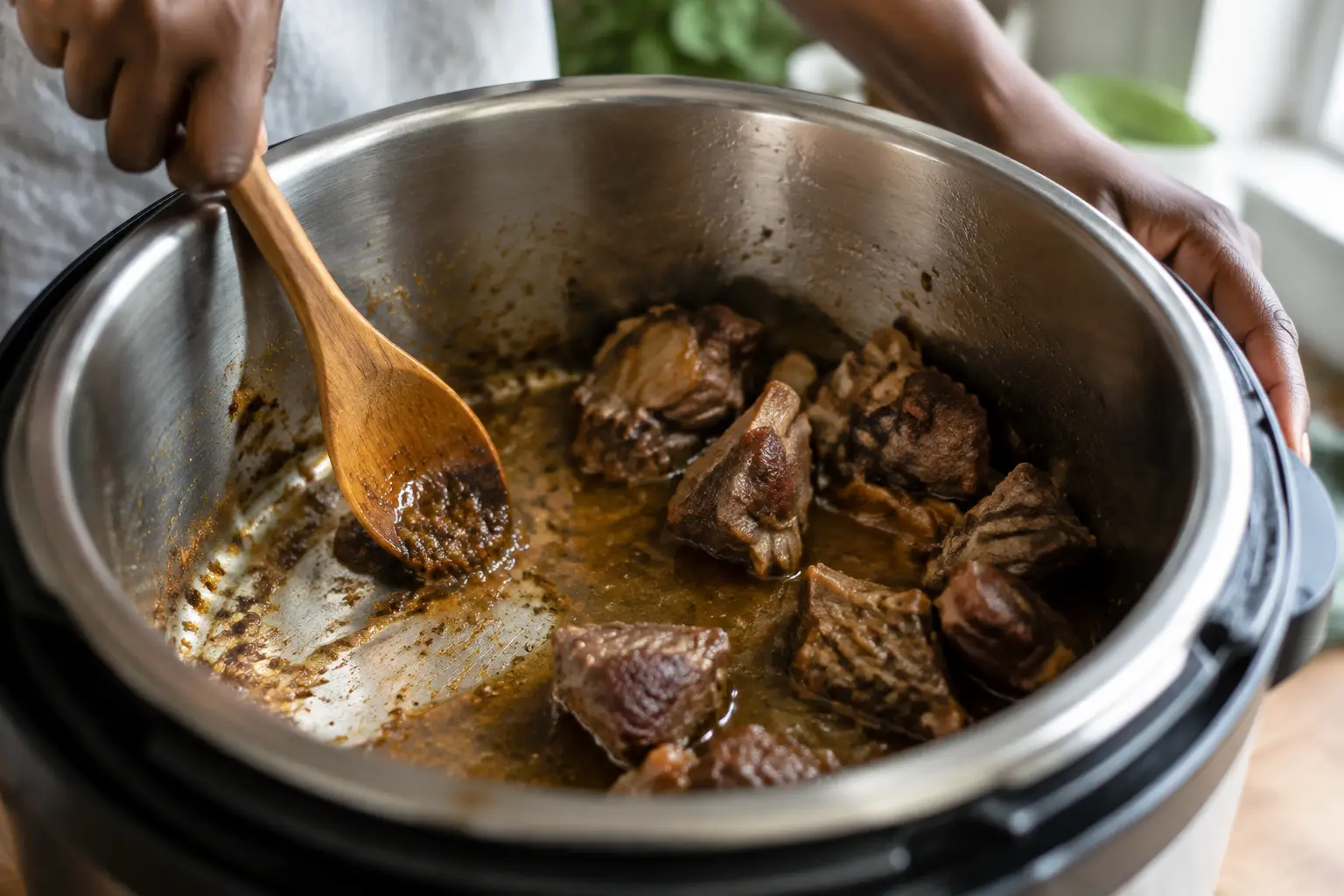
Build a repeatable routine before experimenting. A manufacturer-directed water test is a useful first run because it lets you learn the controls without dinner depending on them.
- Inspect the cold cooker. Check the seal, lid, handles, vent, and pressure-relief parts. Stop if anything is damaged, missing, or unfamiliar.
- Set up a stable cooking space. Keep children, pets, loose sleeves, and clutter away. Give steam room to escape without hitting cupboards, sockets, or anyone nearby. Never place an electric cooker on a stovetop.
- Prepare the food and liquid. Follow a recipe suitable for your cooker. After browning, loosen the browned bits from the base with liquid; this is deglazing, and it helps prevent scorching.
- Check the fill level. Count food and liquid together. Split the batch if it exceeds the appropriate limit.
- Close and configure the lid. Fit it normally and set the vent as your model requires. Confirm that an electric cooker’s inner pot is installed before adding ingredients.
- Select the setting and monitor startup. With stovetop models, adjust the burner once operating pressure is reached. With electric models, confirm the intended pressure program actually starts.
- Release pressure using the recipe and manual. Keep clear of steam. Never improvise a cooling method.
- Open only after full depressurization. Lift the lid so residual steam escapes away from your face, then check the food’s doneness before serving.
That browning-and-liquid sequence also builds better flavor. My guide to Caribbean herbs, aromatics, and flavor-building explains how those layers work together without asking the pressure cooker to do every job.
Choose Pressure Settings For The Recipe, Not For Speed
High pressure is not automatically the right choice, and “high” does not mean exactly the same thing across all cookers. Match the recipe to your cooker type and follow its operating instructions.
| Setting Or Control | Typical Use | Important Limit |
|---|---|---|
| High Pressure | Many recipes for tough meat, stock, and dried beans | Pressure level and cooking time vary by model |
| Low Pressure, If Available | Recipes developed for gentler pressure cooking | Not interchangeable with high pressure without recipe adjustments |
| Stovetop Burner | Brings the cooker to pressure, then maintains it | Excess heat can cause unnecessary venting and liquid loss |
| Sauté Or Browning Mode | Browning ingredients before pressure cooking | Not a pressure setting; use the lid only as instructed |
| Keep Warm | Holding cooked food under the appliance’s instructions | Does not prove that pressure has fallen or food is safely cooked |
On a stovetop cooker, begin timing when the specified operating pressure is reached. Many electric models start their countdown automatically after pressurizing, but confirm your model’s behavior.
For curry goat, pressure can soften the meat beautifully; it cannot rescue scorched curry on the bottom. For broth, it extracts body, but we still need sensible filling and release. My pressure cooker stock guide shows how that translates into a useful cooking project.
Natural Release And Quick Release Are Not Interchangeable
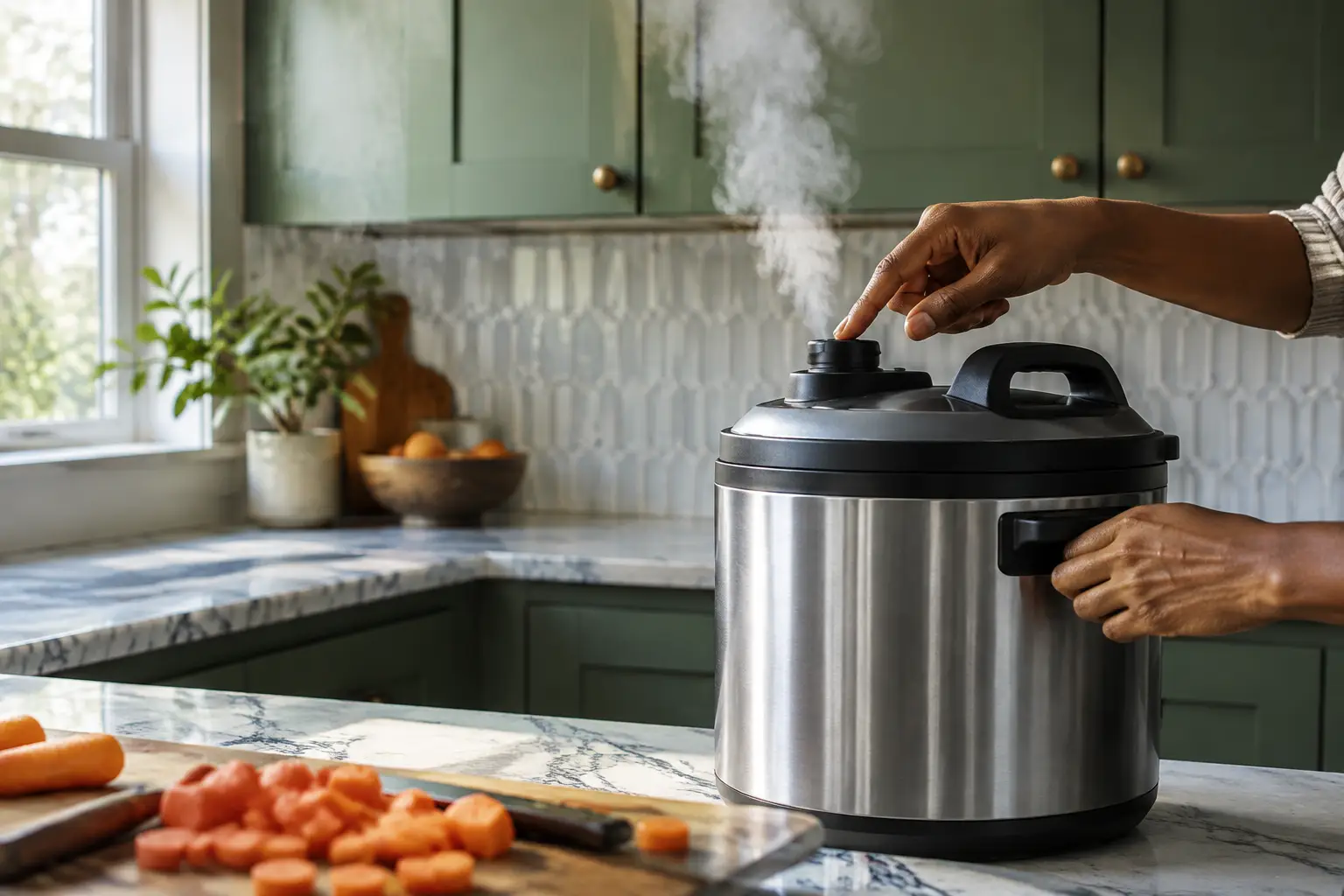
Natural release lets pressure fall as the cooker cools. Quick release deliberately vents steam through the intended control; it is faster, but unsuitable for some foods and models.
| Release Method | How It Works | Common Fit | Watch-Out |
|---|---|---|---|
| Natural Release | Heat is stopped and pressure falls without opening the release control | Many meat, bean, broth, and foamy-food recipes | Food continues cooking; elapsed time alone never proves the cooker is ready to open |
| Quick Release | The designated control releases steam | Some vegetable and other recipes specifically calling for it | Rapid boiling can drive liquid or foam through the vent |
| Timed Natural Release, Then Venting | A recipe-specified rest is followed by controlled release | Recipes developed for that combination | Not a universal compromise for foods requiring full natural release |
For stew peas, beans expand and their liquid can foam. Follow the cooker’s bean instructions and the recipe’s release method rather than venting early because everyone is hungry. My stew peas pressure cooker guide discusses the equipment side of that hearty Jamaican favorite.
If liquid or foam starts spitting during an otherwise permitted quick release, stop venting using the designated control only if you can do so safely, then allow natural cooling. Keep your hands out of the steam path. Never drape anything over the outlet.
Cold-water cooling is permitted for some stovetop models only. Never put an electric cooker under running water, and never assume a sink-cooling method suits your stovetop cooker.
Common Mistakes And What To Do Instead
Most preventable problems begin with a small shortcut: an extra ladle of beans, an old seal, or gravy thickened too soon. These pressure cooker safety tips protect the meal as well as the person cooking it.
Overfilling Or Starting With Thick Sauce
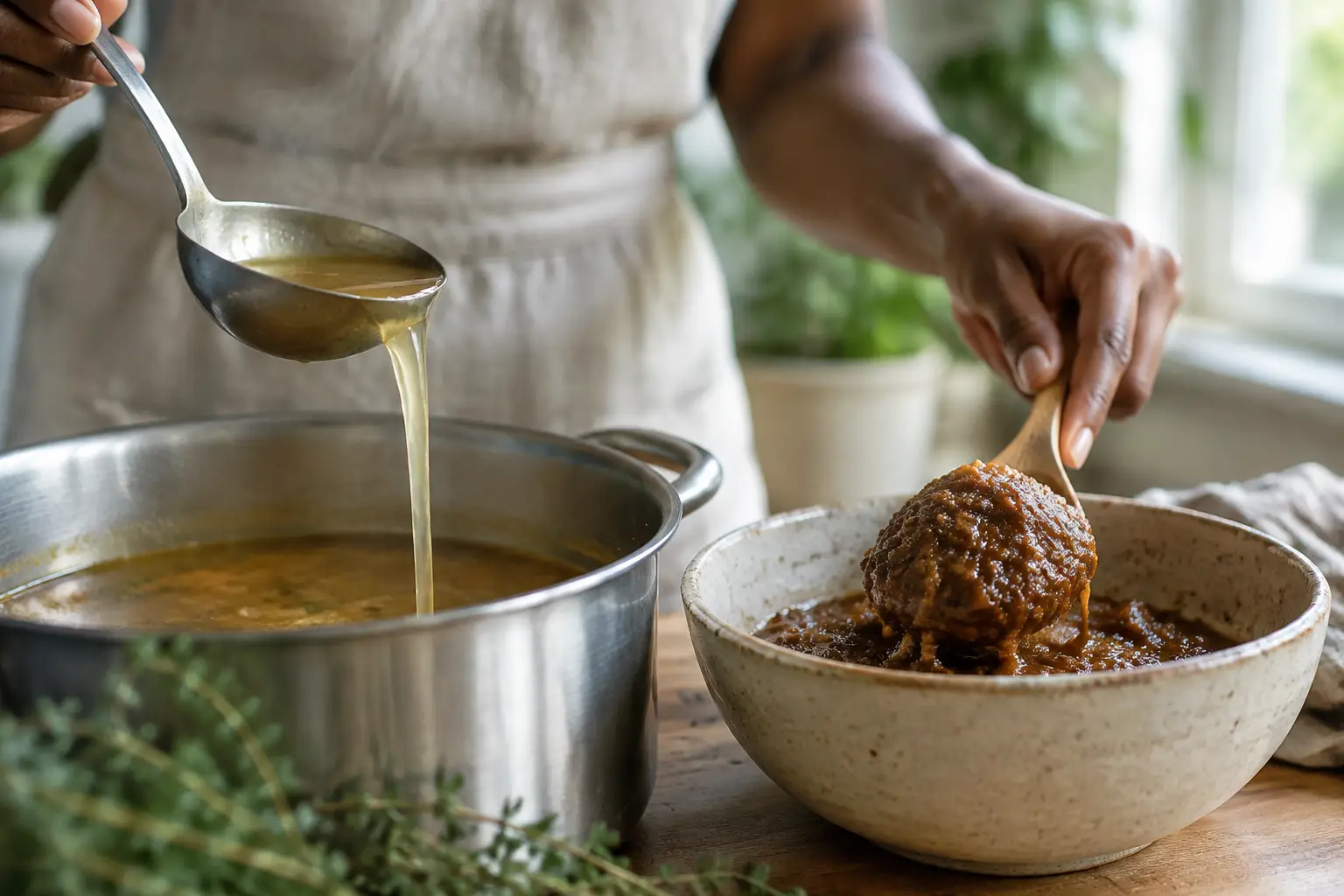
Leave the specified headroom and use enough suitable thin liquid. Starchy or thick mixtures can scorch or interfere with venting, depending on the food and cooker.
For oxtail, brown first, deglaze thoroughly, and pressure cook with the recipe’s liquid. Reduce or thicken the gravy afterward where the recipe allows. Tender meat, glossy gravy, no burnt layer underneath—that is the payoff.
Treating Every Hiss As Normal
Normal steam behavior depends on the model. Some stovetop regulators release steam during operation; many electric cookers become relatively quiet after sealing.
Persistent steam around the lid, unusual violent venting, a burning smell, or a fault message needs attention. Turn off the heat or cancel the program if safe, keep clear, and allow full depressurization before investigating. Never adjust a seal or clear a vent while pressurized.
Trying To Pressure Fry
Do not deep-fry under pressure in an ordinary household pressure cooker. Oil is not a substitute for the water-based liquid needed for steam cooking, and commercial pressure fryers are different equipment.
If you arrive through my pressure cooker and fried chicken equipment guide, keep this boundary firmly in place: never interpret that topic as permission to pressure-fry in a household cooker. Manufacturer prohibitions take priority over any recipe or demonstration.
Assuming Pressure Cooking Means Pressure Canning
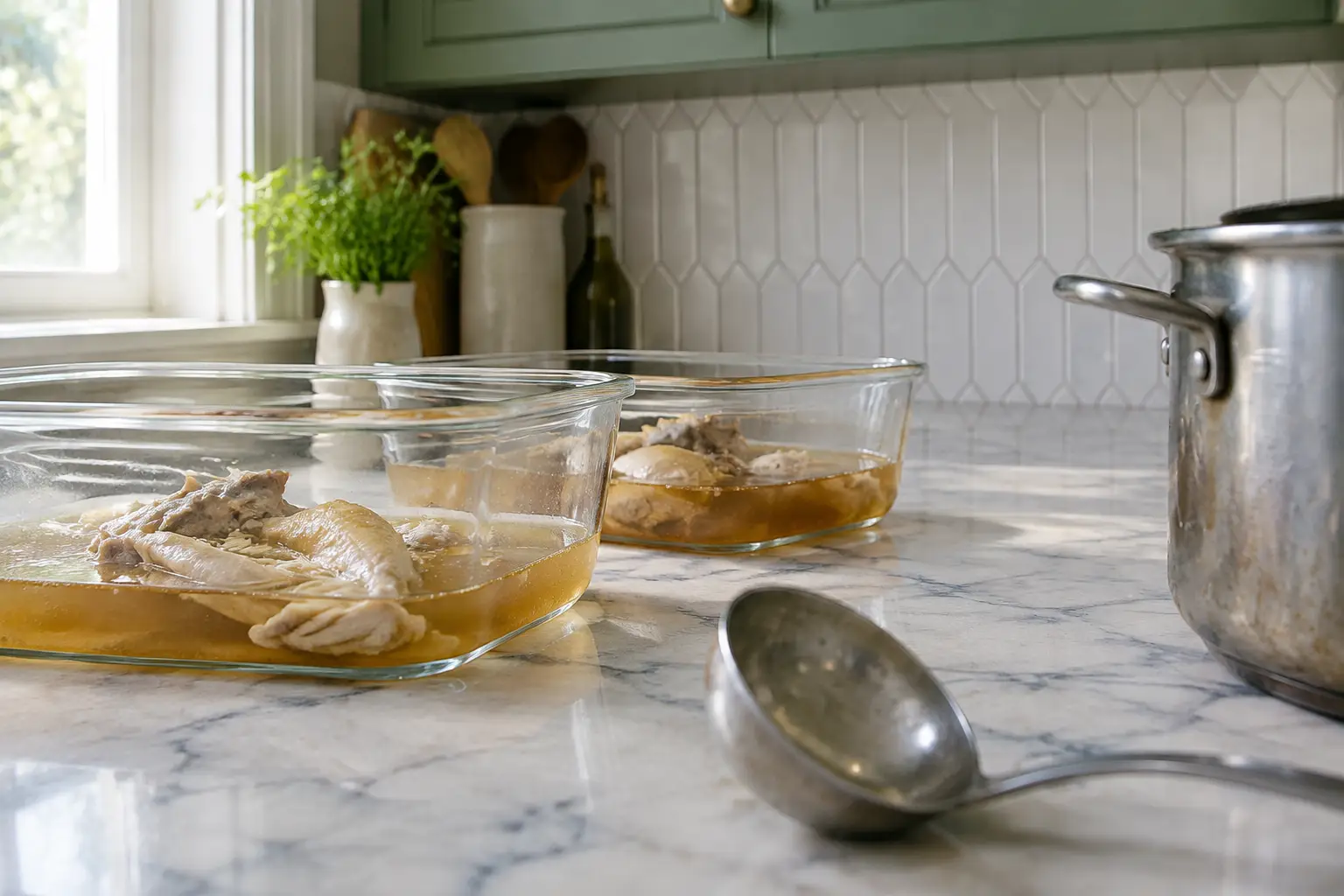
A pressure cooker is not automatically suitable for preserving low-acid foods in shelf-stable jars. Pressure canning needs appropriate equipment and a tested process from a recognized food-preservation authority.
For ordinary soup or broth, cool and refrigerate it properly instead. My soup-making guide can help with the cooking; it is not a substitute for validated canning instructions.
Clean, Store, And Maintain The Cooker
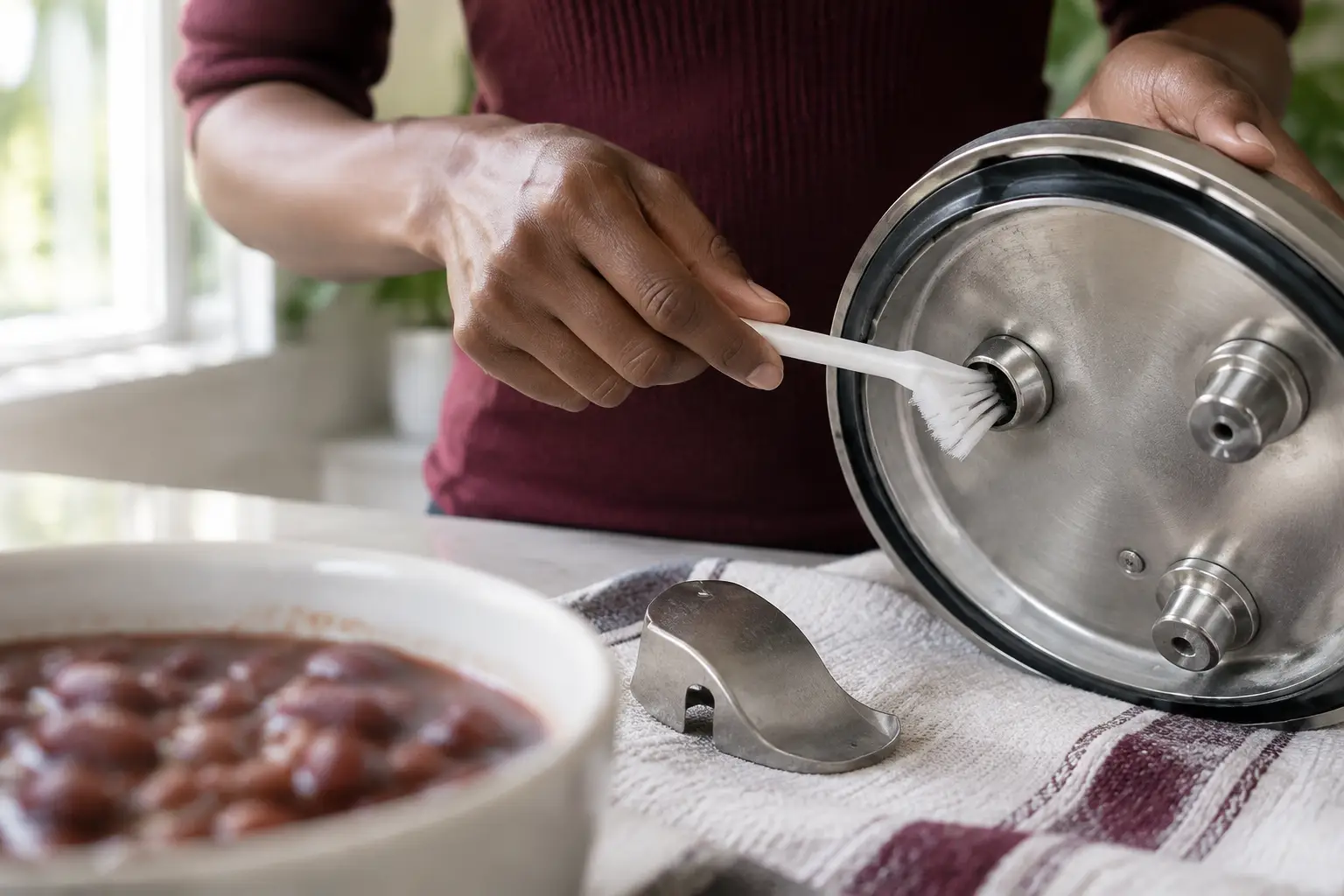
Clean steam passages and a sound seal are part of pressure cooking safety, not just tidy-kitchen habits. Wait until the cooker is fully depressurized and cool enough to handle before disassembling permitted parts.
- Wash removable parts according to the manual, including accessible valve components and shields.
- Check dishwasher compatibility separately for the pot, lid, seal, and accessories.
- Keep an electric base out of water and ensure the inner pot’s exterior is dry before installation.
- Inspect the ring regularly and follow the manufacturer’s replacement schedule or condition guidance.
- Use approved replacement parts for the exact model; never patch, modify, or bypass a safety component.
- Store everything clean and dry, with the lid positioned as recommended.
A cooker is worth keeping only if it is practical to maintain. When comparing equipment, my bone broth pressure cooker comparison offers another starting point for thinking about batch size and everyday usability.
After cooking, transfer leftovers to shallow containers and refrigerate promptly; do not leave a large pot cooling on the counter overnight. A closed lid or a completed cooking cycle does not make food safe indefinitely.
Pressure Cooker Safety Questions, Answered
How Dangerous Are Pressure Cookers?
They contain very hot food and pressurized steam, so misuse can cause serious burns. Modern safeguards reduce risk, but damage, blocked vents, overfilling, and forced opening can undermine them. Respect the equipment without being afraid of it.
Is Pressure Cooking Safe?
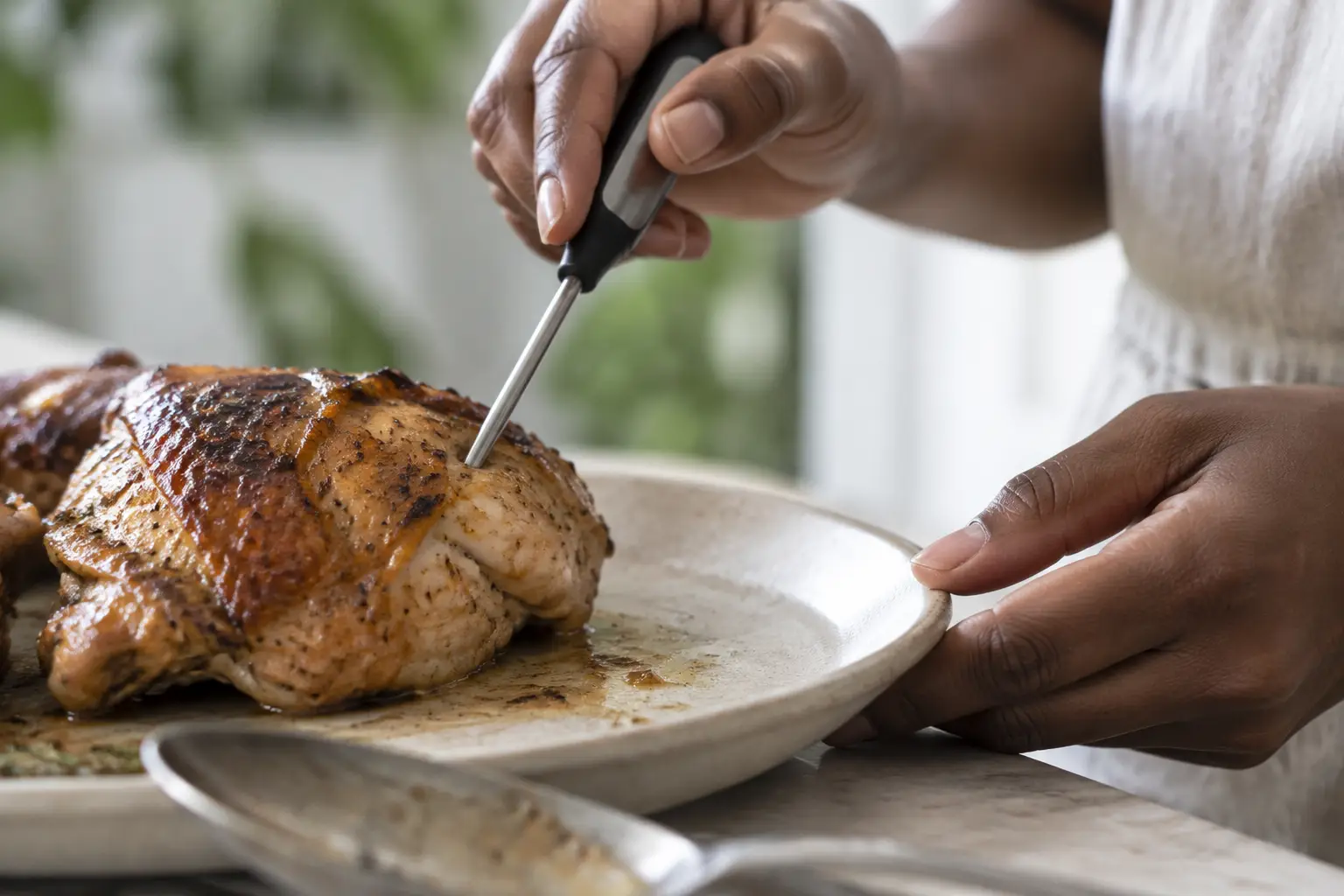
Yes, when a sound, non-recalled cooker is used and maintained according to its instructions. Pressure cooking does not remove the need to handle ingredients hygienically or check that food is cooked through. For meat, use an appropriate food thermometer and the safe endpoint for that food.
When Is A Pressure Cooker Safe To Open?
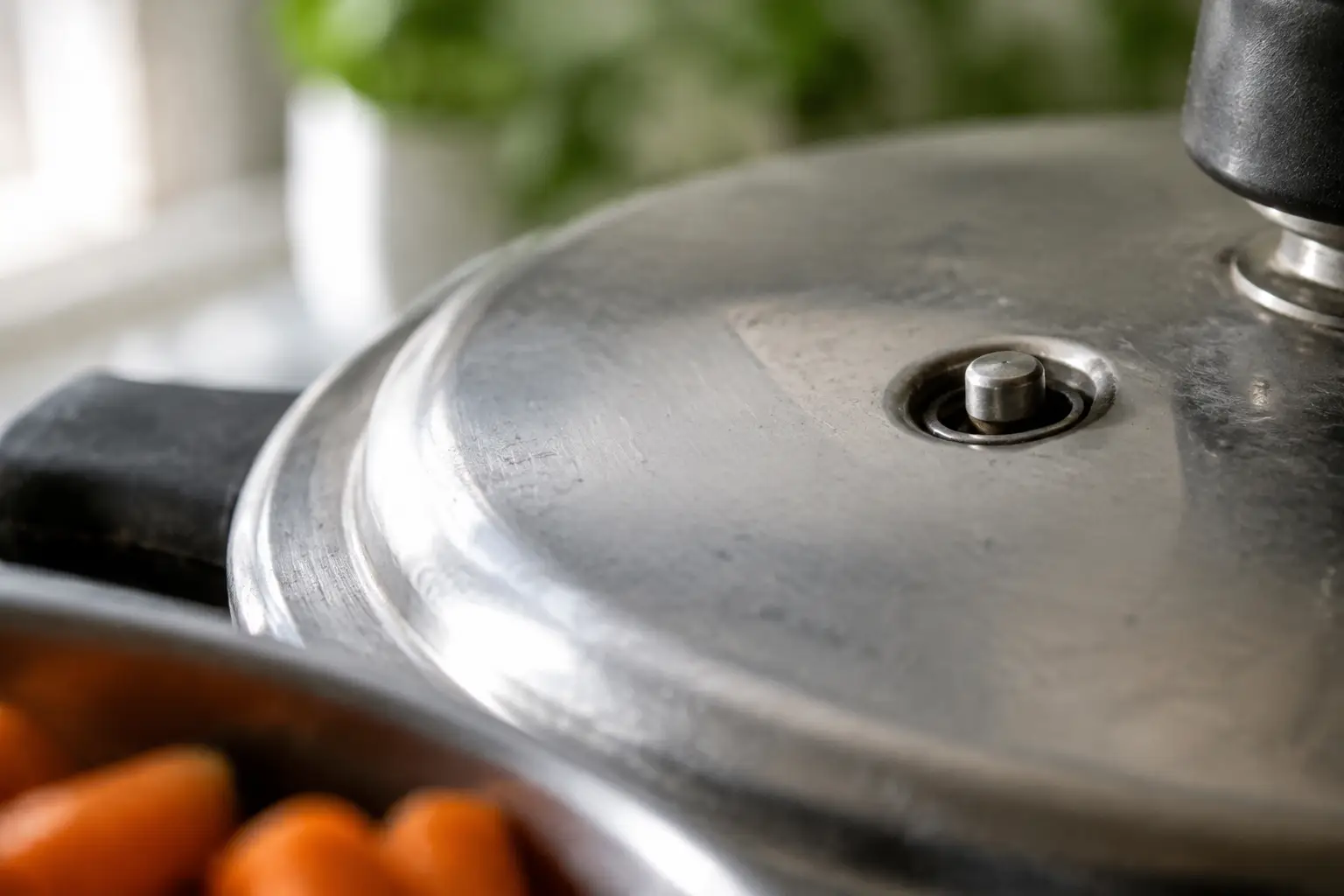
Only after pressure has fully dissipated and the manual’s opening checks are satisfied. The indicator should show the specified depressurized state, and the lid should release normally. A stopped timer, silence, or a fixed waiting period is not enough on its own.
If the indicator appears stuck or the lid resists, keep it closed and follow the manufacturer’s troubleshooting instructions. Never push the indicator down to defeat the lock.
Do Pressure Cookers Have A Safety Valve?
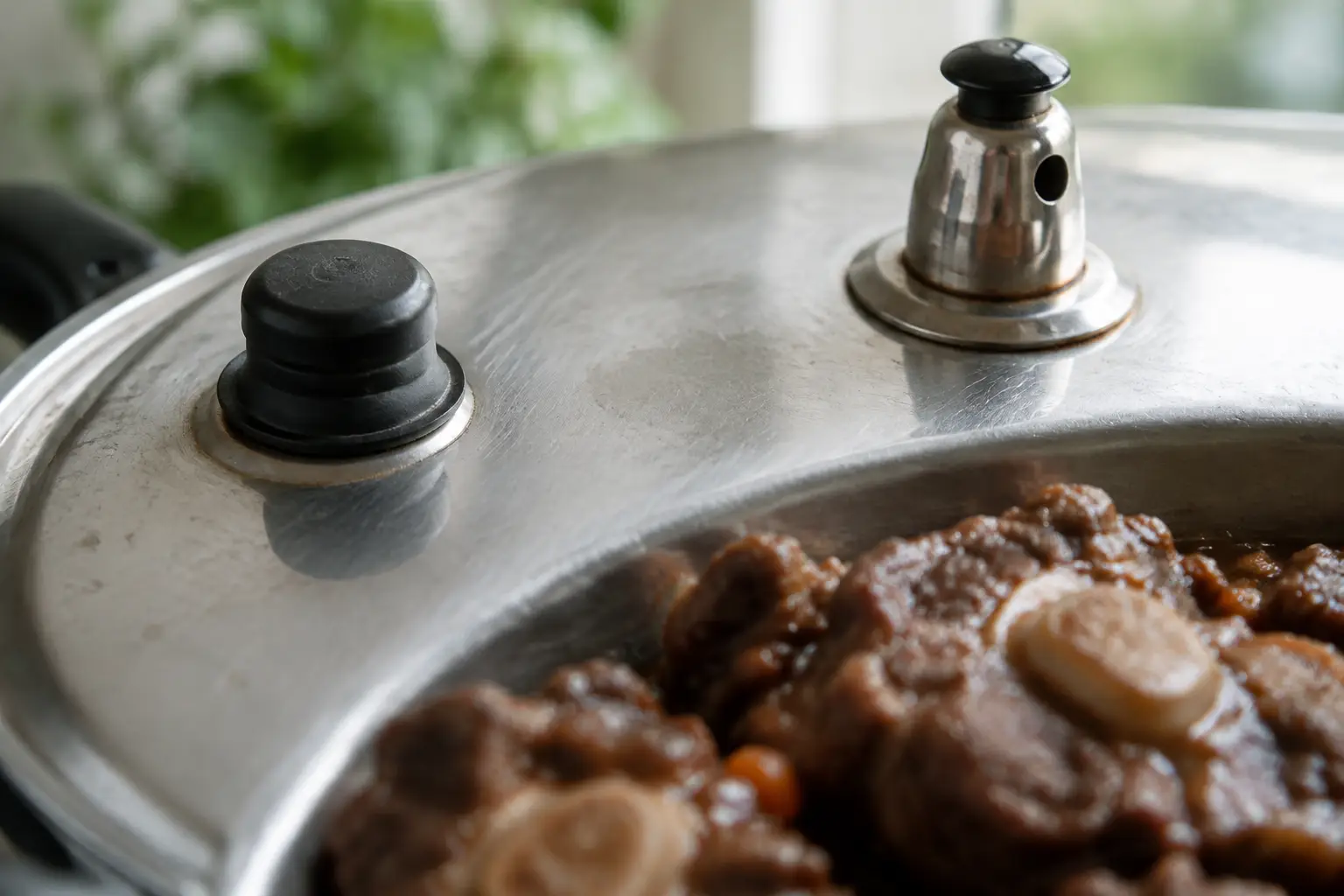
Modern household pressure cookers generally have pressure regulation and a backup relief system, but the arrangement varies. Locate your cooker’s devices in its manual. A backup device is there for abnormal conditions, not something we deliberately trigger or test by blocking the normal vent.
Are Pressure Cookers Safe To Leave Unattended?
A stovetop pressure cooker needs active monitoring; do not leave it cooking while you go out or sleep. Electric models regulate heat automatically, but that does not make every model or recipe suitable for unattended use.
Follow the appliance’s instructions, stay available to respond, and supervise startup and release. I would not treat an unfamiliar cooker, foamy recipe, or questionable seal as a set-and-forget situation.
Give Your Cooker A Proper Seal For The Next Meal
If your electric cooker’s ring is due for replacement, a Reusable silicone sealing rings set can make routine maintenance easier—but choose only a manufacturer-approved set explicitly matched to your model. A spare also helps separate savory aromas from sweeter dishes; the honest limitation is that a new ring cannot fix a damaged lid, valve, or lock. I’d check that exact fit now and buy the approved replacement before the next batch of beans.
Start your next meal with the right fit. Get the Reusable silicone sealing rings set here and confirm manufacturer approval before you buy.


