
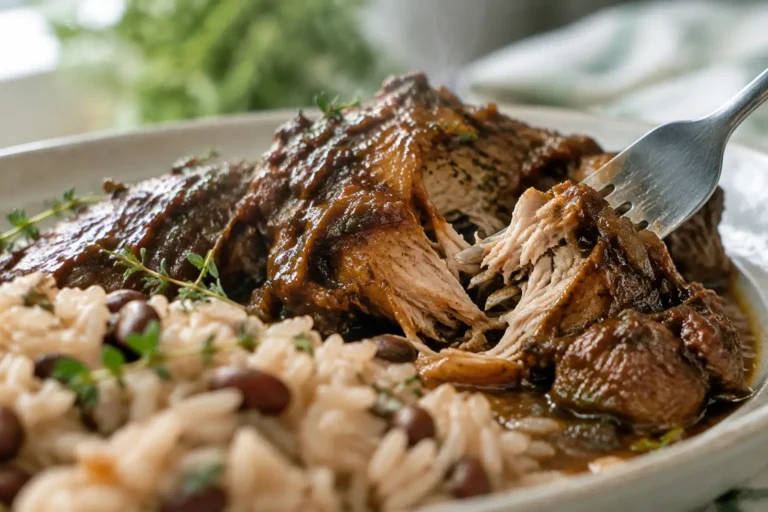
Big Caribbean Flavor Starts With Layers, Not Just Heat
Thyme rising from a simmering pot. Garlic and escallion sizzling in oil. A sharp little bite of lime against rich, tender fish. That is where I want us to begin: Caribbean flavor is layered, fragrant, and beautifully balanced—not simply hot.
The most useful way to understand Caribbean cooking ingredients is to learn their jobs. Herbs bring freshness, aromatics build a savory foundation, spices add character, browning creates depth, and acidity keeps richness lively. The common mistake? Putting everything into the pot at once and expecting one long simmer to do all the work.
We will build those layers in sequence. Just as importantly, we will name the island or tradition we are borrowing from. The Caribbean is a region of distinct cuisines, not one universal seasoning blend. Let’s get into it.
The History Behind What Goes Into the Pot
Caribbean food reflects Indigenous knowledge, African survival and creativity, European colonialism, Asian migration, and generations of exchange. These histories met under unequal conditions, and the food makes more sense when we acknowledge that honestly.
Indigenous Foundations and African Knowledge
Indigenous Caribbean peoples cultivated and prepared cassava, maize, sweet potatoes, and peppers, and developed fishing, smoking, and fire-cooking practices suited to their environments. Those foundations did not disappear when colonization began, although Indigenous communities suffered devastating violence and displacement.
Enslaved Africans brought agricultural knowledge, cooking skills, and food traditions despite forced displacement. Okra, leafy preparations, one-pot meals, and techniques for making nourishing food from restricted provisions became part of evolving island cuisines. Provision grounds, where enslaved people grew food, and local markets also supported cultivation and exchange.
Jamaican jerk is inseparable from Maroon communities—Africans who escaped enslavement and established independent communities—and is commonly understood through connections between African and Indigenous knowledge. Its identity involves seasoning, smoke, and fire management, not simply a spoonful of hot spice.
Colonial Trade, Indenture, and Migration
European colonial powers shaped trade, land ownership, plantation agriculture, and access to food. Sugar and rum belong to this history of extraction and enslaved labor; salted fish and preserved meats also became lasting pantry ingredients.
Spanish, British, French, Dutch, and other influences developed differently across the region. Rice dishes, breads, stews, pastries, and preservation methods changed through local ingredients and the skill of Caribbean cooks—not through one-way cultural borrowing.
After emancipation, Indian indentured laborers brought foodways that helped shape the curries, roti, and other preparations of Trinidad and Tobago, Guyana, and elsewhere. Chinese migration, Portuguese migration, and later Middle Eastern communities added further layers. Indenture was a coercive labor system, not interchangeable with slavery, and these communities’ contributions deserve their own histories.
The Ingredients and Their Jobs
Think of your pantry as a set of functions rather than a compulsory shopping list. The ingredients in Caribbean cooking vary by island, household, season, and dish.
| Ingredient or Group | What It Contributes | Where You May Meet It | What to Watch |
|---|---|---|---|
| Escallion, onion, garlic | Savory aroma and a sweet foundation when cooked | Jamaican seasonings, stews, marinades | Garlic burns before chunky onion softens |
| Thyme | Woodsy, herbal depth | Rice and peas, soups, jerk seasoning | Remove woody stems before serving |
| Chadon beni or culantro | Strong, leafy citrus-like aroma | Trinidadian green seasoning and chutneys | More assertive than cilantro |
| Cilantro, culantro, sweet peppers | Freshness and aromatic sweetness | Puerto Rican recaito and sofrito variations | Household formulas differ |
| Pimento, or allspice | Warm, peppery fragrance | Jamaican jerk, soups, braises | It is one spice, not a mixed-spice blend |
| Scotch bonnet and other peppers | Fruitiness, perfume, and heat | Pepper sauces, jerk, stews | Heat varies between individual peppers |
| Curry spices | Earthy, warm, sometimes bitter notes | Jamaican curries, Trinidadian curries, colombo in the French Caribbean | Blends are not interchangeable |
| Coconut milk | Richness, body, and an aromatic cooking liquid | Rice and peas, rundown, some soups and curries | Excess can overwhelm delicate flavors |
| Lime, vinegar, tamarind | Acidity that balances richness and sweetness | Escovitch, pickles, sauces, chutneys | They differ in strength and flavor |
| Rice, beans, roots, plantains | Substance, texture, and a carrier for seasoning | Everyday meals throughout the region | Each needs its own moisture management |
Herbs and Aromatics Are the Foundation
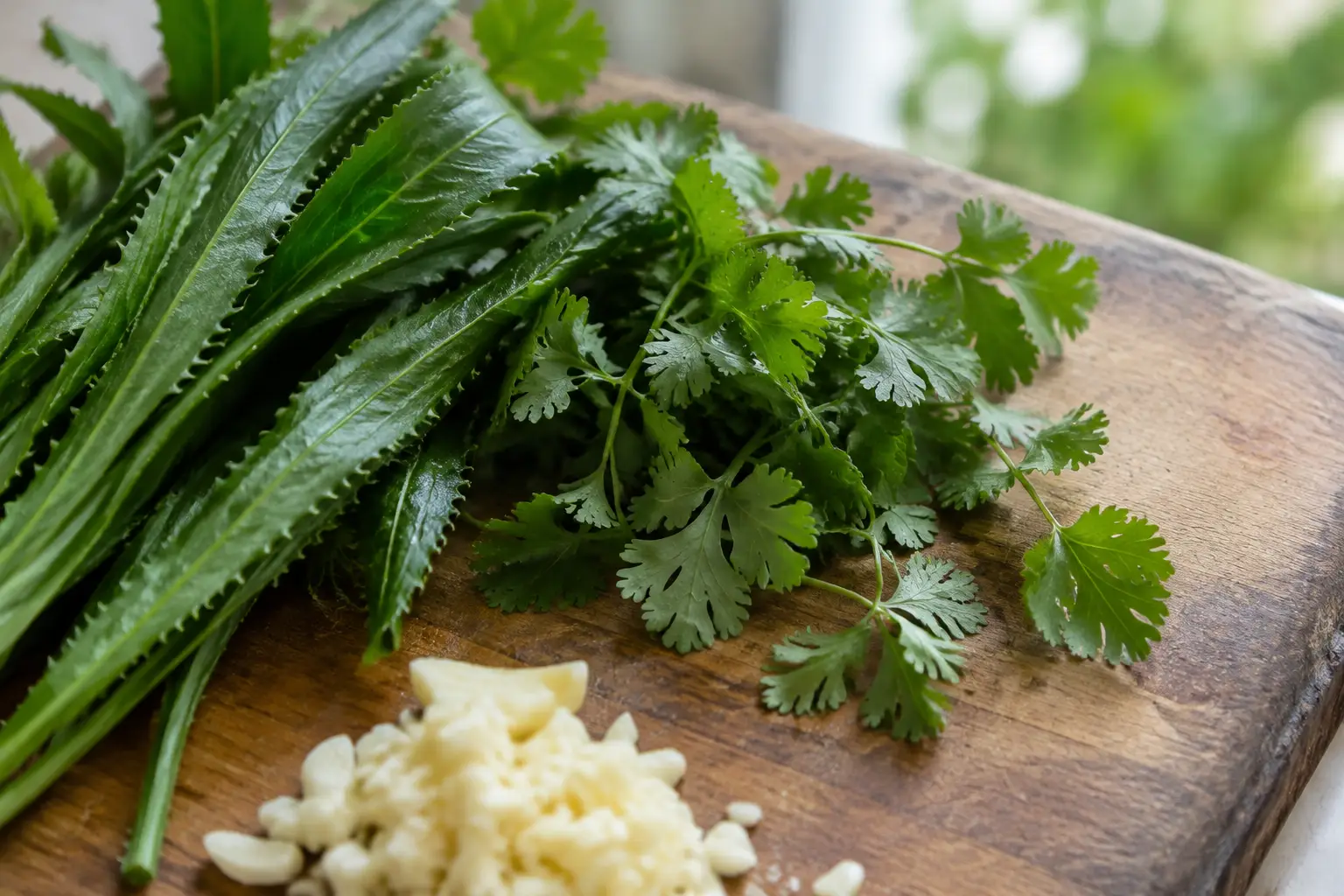
Aromatics are ingredients that release fragrance as we chop, crush, or cook them. Escallion is green onion; chadon beni is a regional name for culantro, a long-leafed herb distinct from cilantro.
Green seasoning often combines herbs, garlic, peppers, and other aromatics, but it is not identical across the Caribbean. Trinidadian versions commonly feature chadon beni. Puerto Rican recaito centers on herbs and aromatics, while sofrito formulas may include additional ingredients and vary by cook.
Crushing garlic and chopping herbs exposes more surface area, releasing aroma and distributing seasoning. A rough paste gives texture; a smooth puree spreads more evenly. Neither is automatically better. My guide to using aromatics explains that foundation, while cooking with herbs goes deeper into timing.
Spice Should Have Character Before It Has Fire
Allspice tastes warm and peppery, with suggestions of clove, cinnamon, and nutmeg. In Jamaica we call it pimento; it is not the red pepper also called pimiento elsewhere.
Other Caribbean ingredients include ginger, black pepper, nutmeg, cinnamon, cloves, cumin, coriander, turmeric, and fenugreek. Their importance depends on the dish. Annatto, also called achiote, contributes orange-red color and a subtle earthy flavor in many Latin Caribbean preparations.
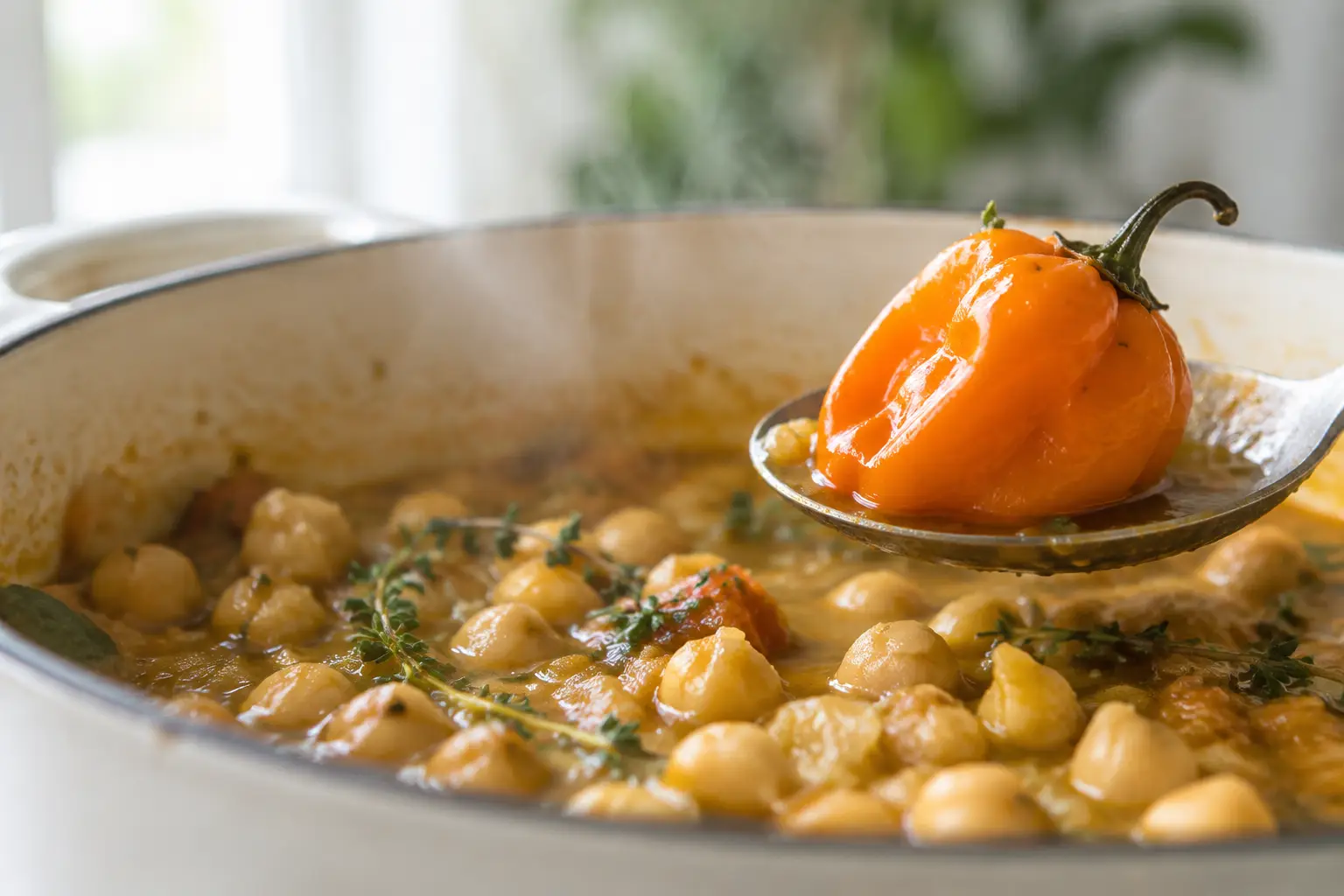
Scotch bonnet brings floral, fruity fragrance as well as heat. For gentler seasoning, use less pepper and keep it separate from the main pot where possible. An intact pepper can perfume a stew, but it can still leak heat or split. Remove it gently before serving, and wash hands and utensils after handling hot peppers.
How Flavor Builds Through Cooking
The same ingredients can taste flat or deeply satisfying depending on how we handle heat, water, and timing. That is why Caribbean cooking methods matter as much as the seasoning itself.
Browning Is More Than Making Food Dark
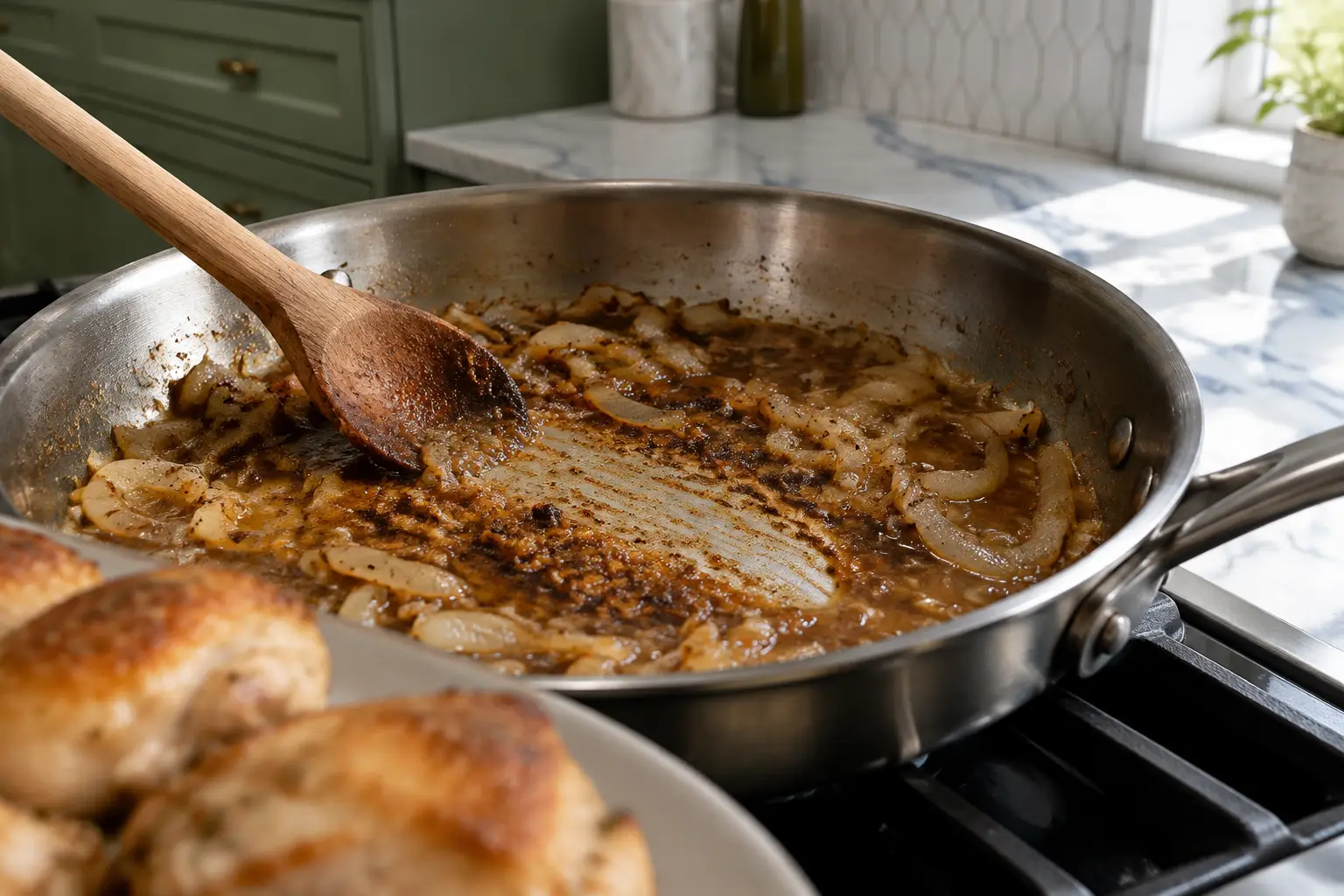
Searing creates savory browned flavor on a relatively dry surface. If meat is wet or the pan is crowded, water collects and the food steams instead.
For brown stew chicken, remove excess wet seasoning before browning so garlic and herbs do not scorch. Cook those aromatics afterward at gentler heat. The browned bits stuck to the pan are called fond; adding liquid and loosening them is deglazing. That is flavor going into the gravy, not washing down the sink. My deglazing guide walks through the process.
Sugar browning is different. In Trinidadian pelau, controlled caramelization of sugar helps create the dish’s characteristic color and bittersweet depth. Jamaican bottled browning can contribute color and flavor to stews, but it cannot replace proper searing. Blackened, acrid sugar is not extra flavor; it is burnt.
Bloom Spices, Then Give Them Liquid
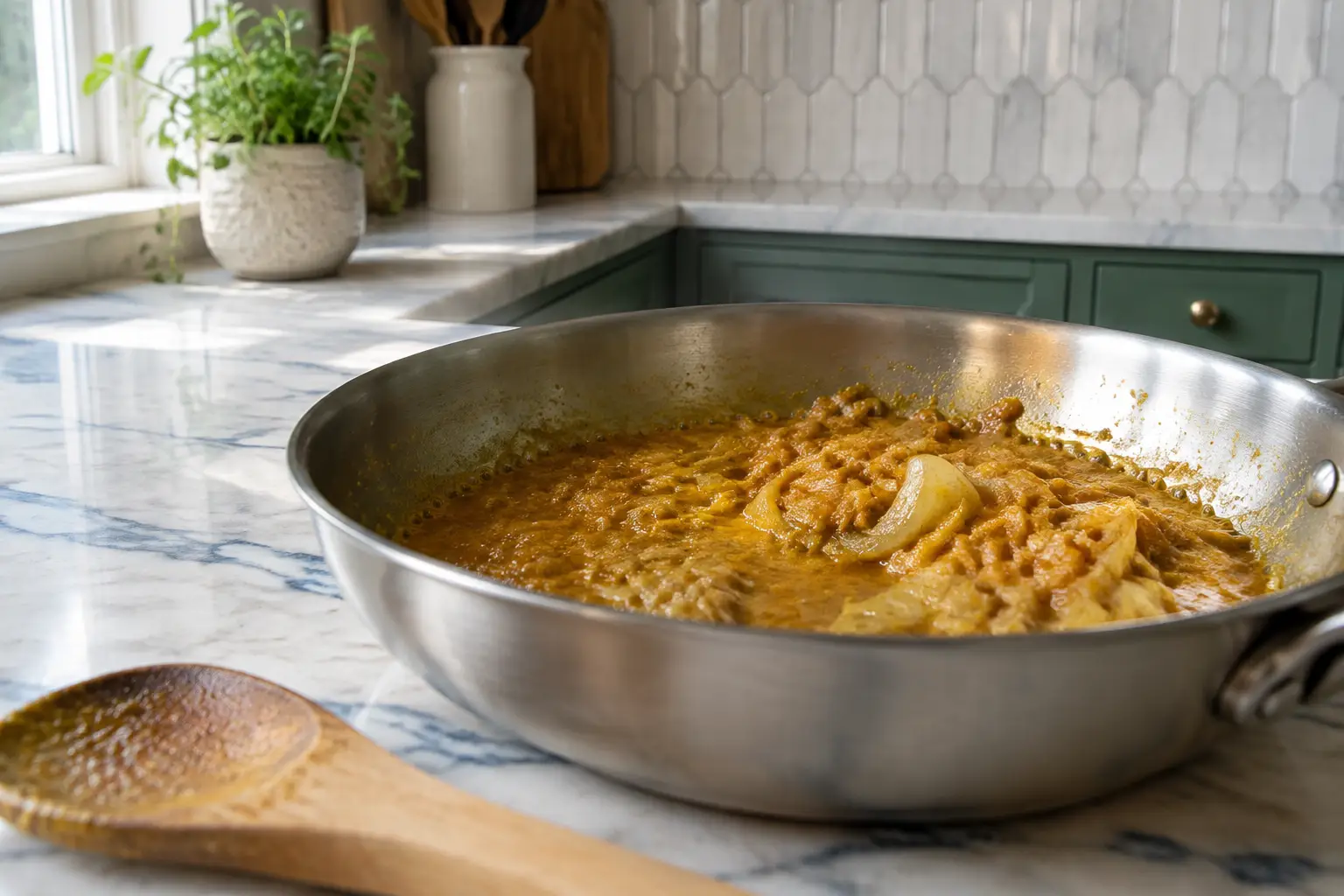
Blooming means briefly heating spices in fat to release and spread their aromas. With curry powder, we want fragrant and lively—not smoking and bitter.
Some cooks heat curry directly in oil; others first make a curry-and-water paste. Follow the dish’s method, keep everything ready, and add liquid before the spices catch. Different Caribbean curry traditions use different sequences, so there is no single universal rule.
Balance Richness With Acid, Salt, and Contrast
Salt strengthens existing flavor; acid makes a rich mouthful feel brighter. Neither should erase the food underneath.
Coconut milk can round the sensation of pepper heat and give sauce a fuller texture, but it does not remove the pepper. A splash of lime may sharpen the finish. Vinegar is central to the lively pickled vegetables served with Jamaican escovitch fish, while tamarind brings fruity sourness to sauces and chutneys.
Umami means savory depth. Beans, browned meat, fish, stock, and some fermented seasonings contribute it in different ways. For a closer look, explore how umami works and how to balance flavor. Taste before adding more seasoning: sometimes the pot needs brightness, not another handful of salt.
A Practical Method for Building a Caribbean-Inspired Meal
Start with one named dish and learn its sequence before improvising. This framework teaches how to cook Caribbean food without pretending every island cooks the same way.
- Choose the dish and its identity. Brown stew chicken, Trinidadian curry channa—chickpeas—or Puerto Rican arroz con gandules, rice with pigeon peas, call for different foundations.
- Prepare before heating. Chop aromatics, measure spices, and set out cooking liquid. Small ingredients burn quickly while we search the cupboard.
- Season the main ingredient appropriately. Salt can work into meat over time; most herb and spice flavors remain closer to the surface. Keep raw meat refrigerated. My marinating guide explains the difference.
- Build the base in the right order. Brown meat first if the recipe calls for it, soften aromatics, or prepare a spice paste. We are following the dish, not forcing every technique into one pot.
- Add measured liquid and control the heat. A gentle simmer tenderizes without the violent bubbling that can toughen delicate fish or break vegetables apart.
- Finish deliberately. Reduce uncovered if the sauce is thin, then taste for salt, acidity, and heat. Add delicate herbs near the end where appropriate.
The payoff is layered: savory gravy clinging to tender food, herbal fragrance above it, and something bright or crisp alongside. Not every bite needs to shout.
How the Principles Change Across Real Dishes
Shared ingredients do not mean identical flavor. Their proportions, partners, and cooking methods give each dish its character.
| Dish or Tradition | Flavor Foundation | Defining Technique | How the Balance Works |
|---|---|---|---|
| Jamaican jerk | Allspice, thyme, escallion, Scotch bonnet | Seasoning combined with smoke and controlled fire | Fragrant spice and pepper meet browned, smoky surfaces |
| Jamaican rice and peas | Beans, coconut milk, thyme, escallion | Rice absorbs seasoned cooking liquid | Gentle richness supports herbal and bean flavors |
| Trinidadian pelau | Caramelized sugar, green seasoning, pigeon peas, rice | Layered one-pot cooking | Bittersweet depth meets savory seasoning |
| Puerto Rican arroz con gandules | Sofrito, pigeon peas, often annatto and other savory seasonings | Rice cooks in an aromatic base | Herbal sweetness and savory depth season the grains |
| Haitian griot with pikliz | Seasoned pork; spicy pickled cabbage and vegetables | Tenderizing pork followed by crisping | Rich, crisp meat contrasts with sharp, crunchy pickle |
| Jamaican escovitch fish | Fish, vinegar, onions, carrots, peppers | Frying followed by a seasoned vinegar dressing | Crisp richness meets acidity and vegetables |
For a plant-based direction, beans, pumpkin, mushrooms, and green bananas offer different textures to build around. Choose the method that suits them rather than treating vegetables as meat with a shorter timer.
My black bean and plantain smash burgers are a modern remix, not a stand-in for a traditional island dish. That distinction leaves room for creativity without rewriting anyone’s heritage.
What Has Stayed and What Has Changed
Caribbean traditions remain alive because people keep cooking them, teaching them, and adapting them. Continuity does not require every household to use identical equipment or ingredients.
Seasoning pastes, market shopping, Sunday meals, communal cooking, and recipes learned through smell and touch remain important in many communities. Pepper sauces, pickles, preserved fish, and carefully seasoned staples still carry local identities.
In the 21st century, refrigerators, blenders, pressure cookers, ovens, prepared seasonings, and online recipe sharing change the workflow. Diaspora cooks adapt to unfamiliar produce, apartment kitchens, different work schedules, and ingredient availability. Restaurants reinterpret familiar flavors; plant-based cooks rebuild favorite meals around beans and vegetables.
Some shortcuts preserve the dish beautifully. Pressure cooking can make beans and tough cuts practical on a weekday; my guide to pressure cookers for Jamaican stew peas discusses that fit. Other changes deserve an honest label: oven-cooked jerk-seasoned chicken can be delicious, but it does not reproduce cooking over pimento wood.
Fix the Problem Before Adding More Seasoning
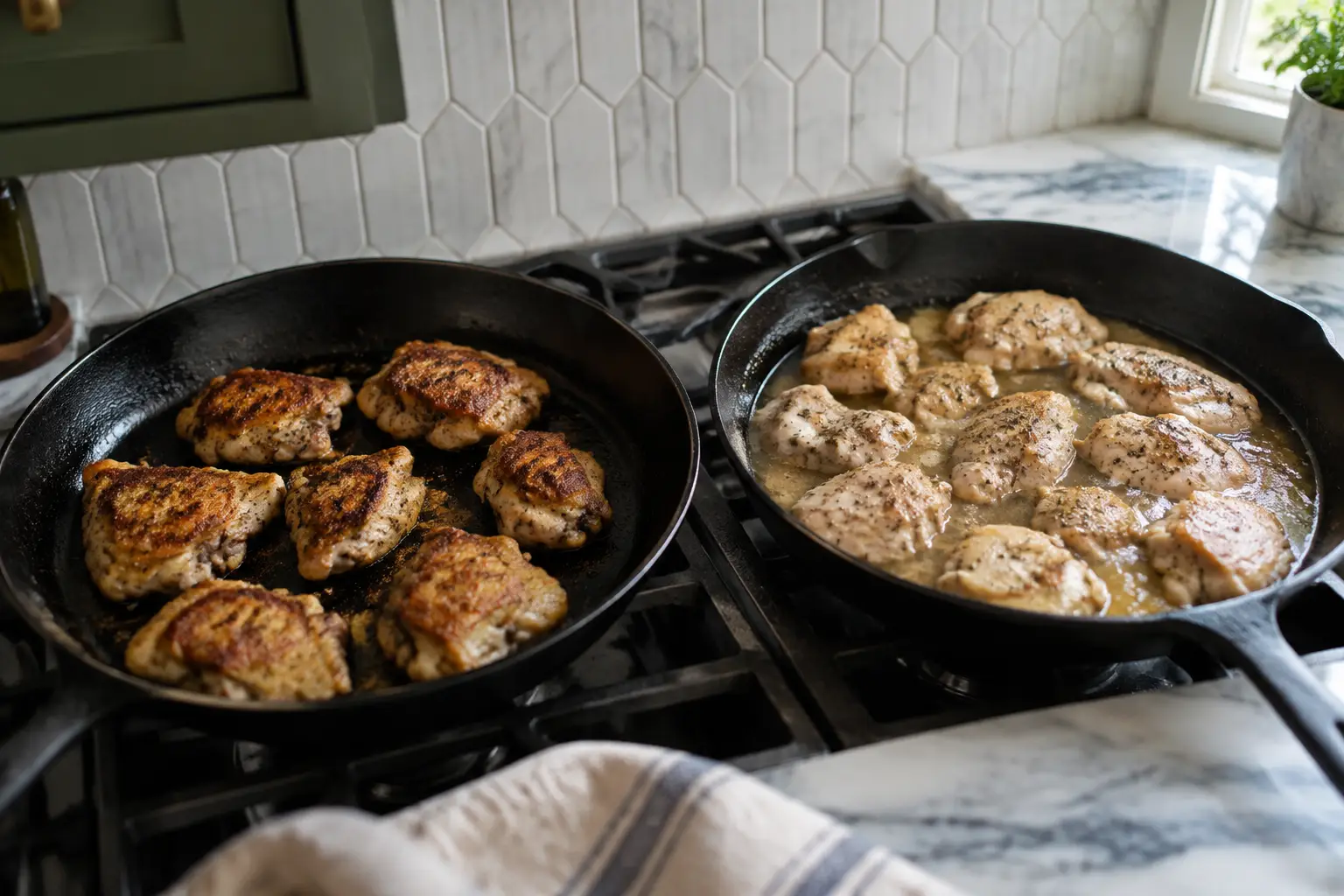
We have all met the pot that smells promising but tastes somehow unfinished. Diagnose the missing layer before throwing in another blend.
| Problem | Likely Cause | Practical Fix |
|---|---|---|
| Gravy tastes flat | Insufficient salt, browning, or acidity | Check salt first, reduce if watery, then test a little acid in a spoonful |
| Curry tastes harsh | Spices are undercooked or scorched | Simmer undercooked spices further; badly burnt spices usually require a fresh base |
| Meat steams instead of browning | Wet surface or crowded pan | Dry the surface and work in batches |
| Stew is too hot | More pepper than the batch can balance | Dilute with an unspiced portion or suitable unsalted ingredients; sugar does not remove heat |
| Rice is wet and heavy | Too much liquid or trapped moisture | Measure carefully next time; avoid repeated stirring and allow the prescribed rest |
| Food tastes salty after reducing | Salt concentrated as water evaporated | Add suitable unsalted ingredients or liquid, and finish seasoning after reduction |
Storage and Safety Without Losing the Flavor
Fresh seasoning still needs careful storage, even when it contains lime or vinegar. A homemade herb-and-garlic mixture is not automatically preserved.
| Food or Task | Practical Guidance |
|---|---|
| Homemade fresh green seasoning | Refrigerate promptly and use within 3–4 days; freeze small portions for longer storage |
| Raw chicken | Keep at 40°F/4°C or below and cook within 1–2 days, including marinating time |
| Cooked leftovers, including rice | Refrigerate in shallow containers within 2 hours, or 1 hour above 90°F/32°C; use within 3–4 days |
| Chicken doneness | Check for at least 165°F/74°C in the thickest part, away from bone |
| Reheated leftovers | Heat to 165°F/74°C throughout |
Do not wash raw chicken: splashes can spread bacteria, and citrus does not sanitize it. Keep clean finishing sauce separate from raw-meat marinade. For cassava, use properly processed products and established preparation guidance; raw cassava is not safe to eat.
Questions About Getting Started
How Do I Cook Caribbean Food as a Beginner?
Choose one approachable dish from a specific tradition and follow a reliable recipe. Learn how its aromatics, liquid, and heat work together before assembling a pantry full of unfamiliar products. A well-seasoned rice dish or simple stew teaches more than an overloaded spice cupboard.
How Do I Make Caribbean Food With Supermarket Ingredients?
Start with onion, garlic, green onion, thyme, beans, rice, and the spices your chosen recipe needs. Substitute by function: habanero can provide fruity heat when Scotch bonnet is unavailable, though its aroma differs. Cilantro can offer freshness when culantro is missing, but it is not an exact replacement. Name meaningful adaptations.
How Do You Make Caribbean Chicken?
First choose the style: jerk, brown stew, curry, and other chicken preparations are not interchangeable. For an adapted brown-stew approach, season and refrigerate the chicken, remove excess wet aromatics, brown in batches, then cook the aromatics and gently simmer everything with measured liquid. Check the safe temperature in the table rather than relying on color.
What Spices Are Used in Caribbean Cooking?
Common spices include allspice, black pepper, ginger, nutmeg, cinnamon, cloves, cumin, coriander, turmeric, and fenugreek, depending on the cuisine. There is no universal Caribbean spice mix. When choosing Caribbean cooking ingredients, buy for the dish you want to make—not for a vague promise of tropical heat.
Build a Better Browned Base for Your Next Meal
I want your next chicken or vegetable dish to have a deeply browned surface, not a pale, watery start. A Cast Iron Skillet (pre-seasoned) helps by holding heat steadily for batch browning, shallow frying, and toasting spices, making it a useful everyday purchase. It is heavy and needs prompt drying and light oiling; use another suitable pot for long, acidic simmers.
Give your next meal a deeper, more flavorful start. Get the Cast Iron Skillet (pre-seasoned) here and put that first layer of flavor to work.


