
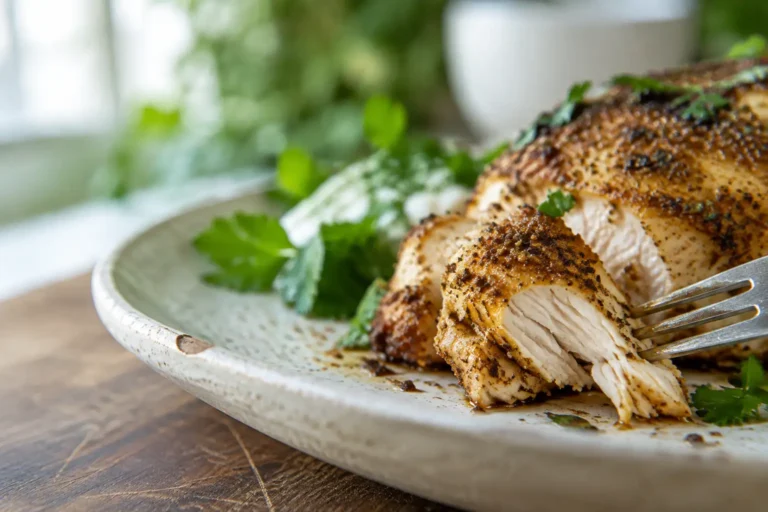
For Dry Spices, A Spice Grinder Is The Better Fit
When we’re grinding dry spices, a spice grinder is usually the better tool. Its small chamber and fast blade action are designed for small, dry ingredients, while a food processor’s broad bowl and blade are better suited to chopping and processing larger amounts.
That difference matters: whole spices need enough contact with the blade to break down evenly. In a roomy processor, a spoonful of peppercorns can skitter around instead of grinding. A food processor still earns its place for wet seasoning pastes and larger batches—but for a fresh pinch of ground spice, choose the grinder. Let’s get into it.
What Each Tool Does Best
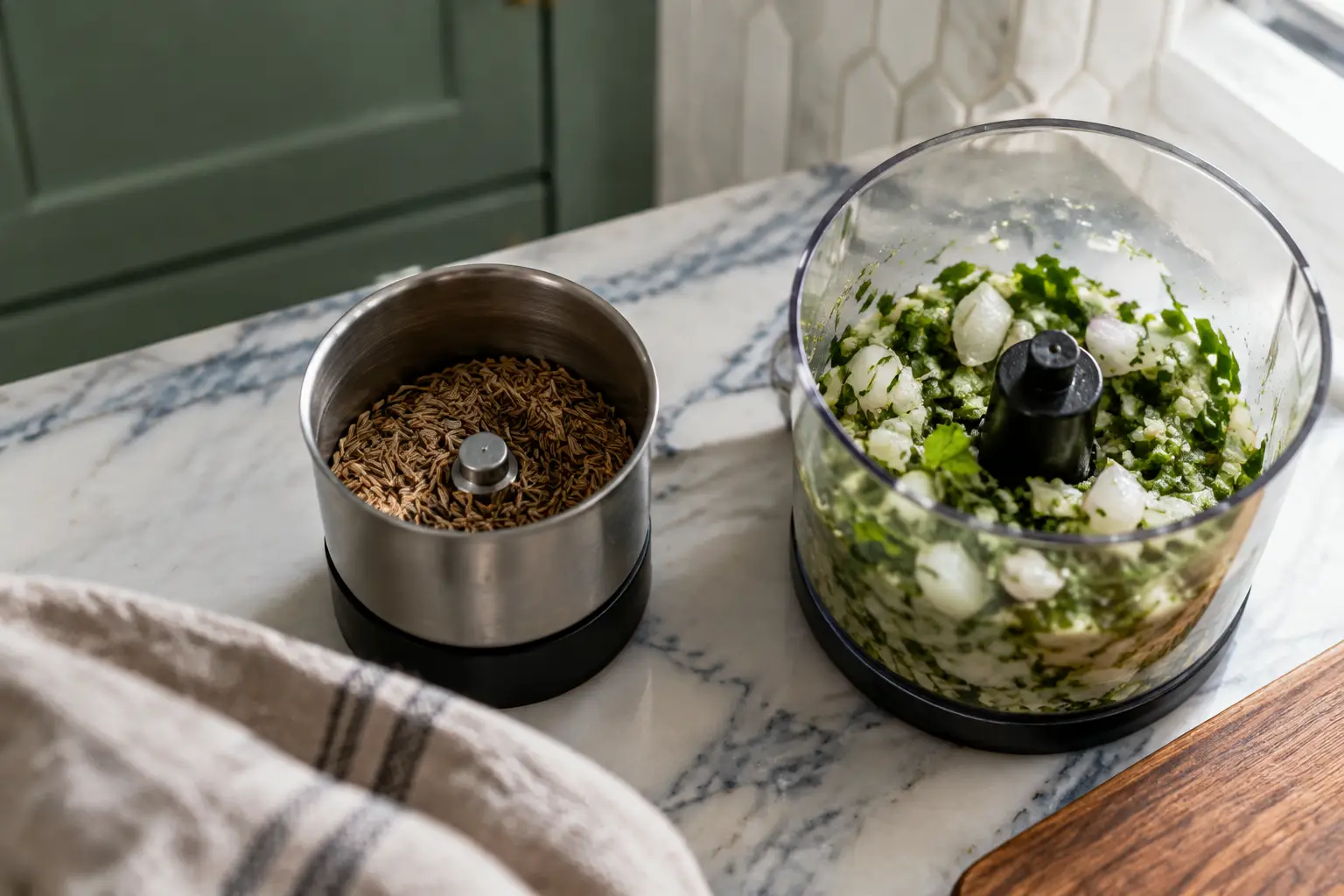
A spice grinder turns dry whole spices into a fine powder or coarse grind; a food processor chops, mixes, and pulses larger quantities. The right choice depends less on the name of the appliance and more on what we’re asking it to do.
| Tool | Best For | Why It Works | Drawback |
|---|---|---|---|
| Spice grinder | Small amounts of dry spices | Small chamber helps spices meet the blades | Limited capacity and usually one main task |
| Food processor | Wet pastes, chopped aromatics, larger batches | Wide bowl handles volume and mixed ingredients | Small dry spices can move away from the blade |
| Mortar and pestle | Small batches when texture control matters | Hand pressure crushes ingredients gradually | Requires more effort and time |
| Blender | Liquids and larger blends | Designed to pull ingredients toward the blades | Often awkward for a tiny quantity of dry spice |
A food processor is not a smaller or weaker spice grinder; it is built for a different job. I use a food processor often to dice onions and seasonings for meat, and I reach for a mortar and pestle now and then for quick garlic or ginger paste. Those jobs call for chopping or crushing—not necessarily powdering dry spices.
Why A Food Processor Can Struggle With Dry Spices
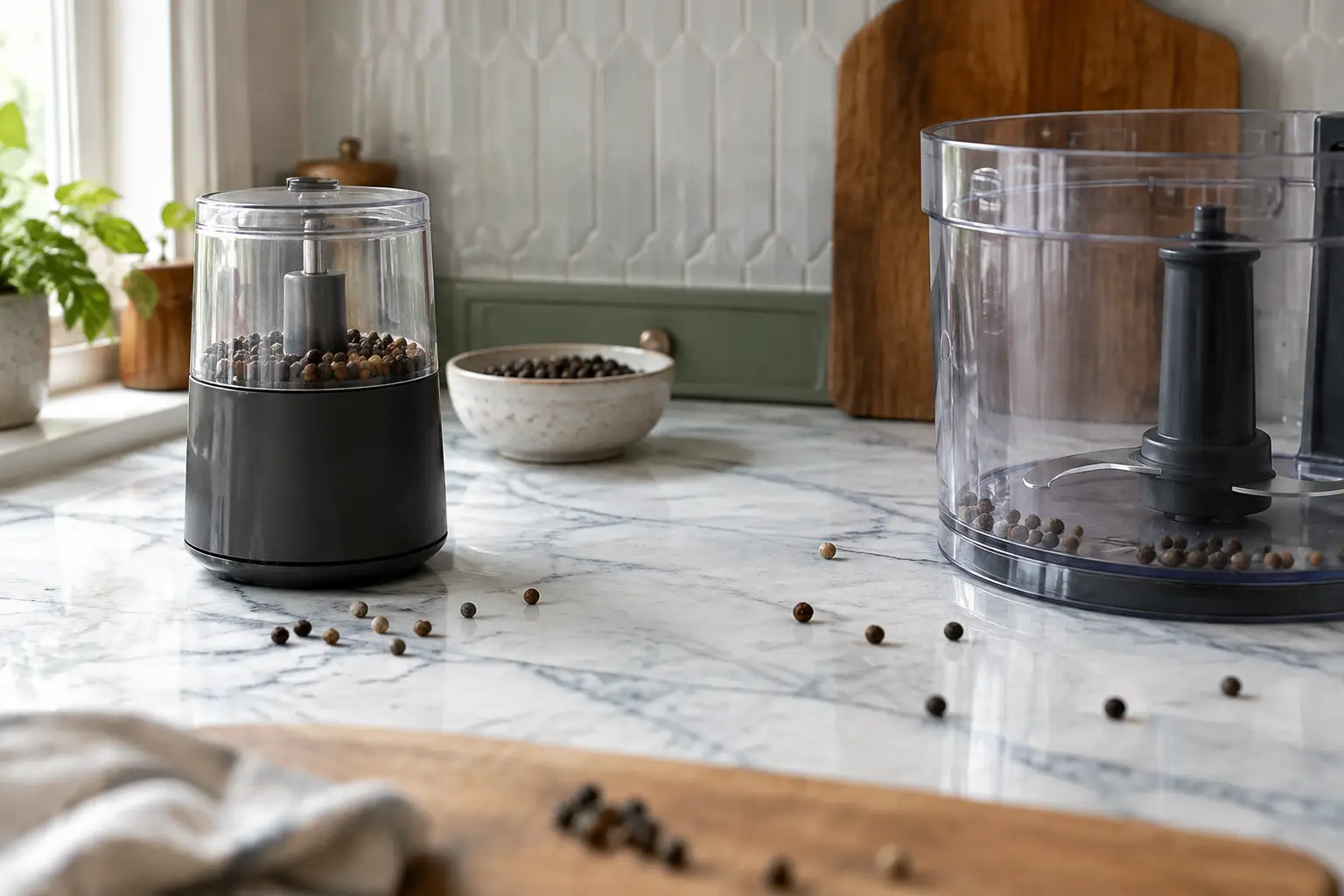
The main issue is scale. A food processor bowl is wide, and its blade sits low; with only a small handful of peppercorns or cumin seeds, many pieces can bounce around above or beside the blade instead of being ground consistently.
Adding more spices can help them reach the blade, but then we’re grinding a bigger batch than we need. That is not always a problem, but freshly ground spices are most fragrant close to the time we use them. A spice grinder’s compact chamber makes more sense for a teaspoon or two.
The grinding action matters too. A blade grinder chops rapidly, and the final texture depends on how long we run it. Pulse in short bursts and pause to inspect the result; continuous grinding can take a coarse texture finer than intended. If the grinder becomes warm during a longer session, give it a moment to cool before continuing.
For the most even result, don’t overload the chamber. A crowded batch can leave some pieces coarse while others turn almost powdery. Small batches give us more control, and we can always grind a second round if we need more.
Spice Grinder Vs Food Processor For Different Jobs
For dry spices, pick the spice grinder. For wet seasonings, chopped aromatics, or a larger batch, the food processor is the more useful fit.
| What We’re Making | Better Choice | Reason |
|---|---|---|
| A small amount of ground cinnamon or nutmeg | Spice grinder | Small quantities can reach the grinding blades |
| A coarse grind of peppercorns | Spice grinder or mortar and pestle | Both offer better control over a small batch |
| A wet seasoning paste | Food processor | Its bowl can handle moist, mixed ingredients |
| Chopped onions and seasonings for meat | Food processor | It processes a useful volume quickly |
| A few crushed spices when there’s no electric grinder | Mortar and pestle | Manual crushing works well in small batches |
For more on when that manual approach shines, see my guide to choosing a mortar and pestle for grinding spices. And if you’re curious about the flavour payoff before you grind, I also explain why toasting spices before cooking can deepen their flavour.
How It Compares With A Mini Processor, Blender, Or Coffee Grinder
A spice grinder vs mini food processor comparison comes down to quantity and texture: a mini processor can chop and mix, but it may still have trouble grinding a very small amount evenly. A dedicated spice grinder is made for that smaller dry batch.
In a spice grinder vs blender comparison, the blender usually wins for liquids and larger blends, not a spoonful of dry seeds. If you’re choosing a spice grinder or blender, think about what you make most often: freshly ground spices or smoothies, soups, and sauces. I use a blender often, mainly for juices, but that doesn’t make it the right tool for every dry ingredient.
A spice grinder vs coffee grinder comparison can be tricky because many small electric blade grinders are sold for both coffee and spices. The practical question is whether you want those flavours kept separate. Coffee aroma can linger, and so can assertive spices, so a dedicated cup—or separate grinder—helps avoid flavour crossover.
Likewise, a spice grinder electric model is quick and low-effort, while a spice grinder manual option gives us more control by hand but takes longer. A mortar and pestle is the simplest manual choice for small amounts. If you’re comparing processor capacities and features, this food processor buying guide can help you decide which size suits your kitchen.
Which Spices Can We Grind?
A spice grinder can handle many dry whole spices, including peppercorns, cumin seeds, coriander seeds, cinnamon pieces, and nutmeg, as long as the grinder’s instructions allow them. Hard whole spices can be tough on a small appliance, so work in small amounts and don’t force ingredients that don’t fit its intended use.
Freshly ground spices smell vivid and warm; the aroma rises as soon as the blade breaks through the seed or bark. That is one reason I use a spice grinder for black pepper, nutmeg, and cinnamon—the fragrant oils are easier to enjoy when the spices are freshly ground.
For mixed wet aromatics, use a food processor instead. It is useful when we want chopped onion, herbs, and seasonings together, but it won’t turn a wet mixture into a dry spice powder. Keep the two jobs distinct and both tools make more sense.
What To Use If You Don’t Have A Spice Grinder
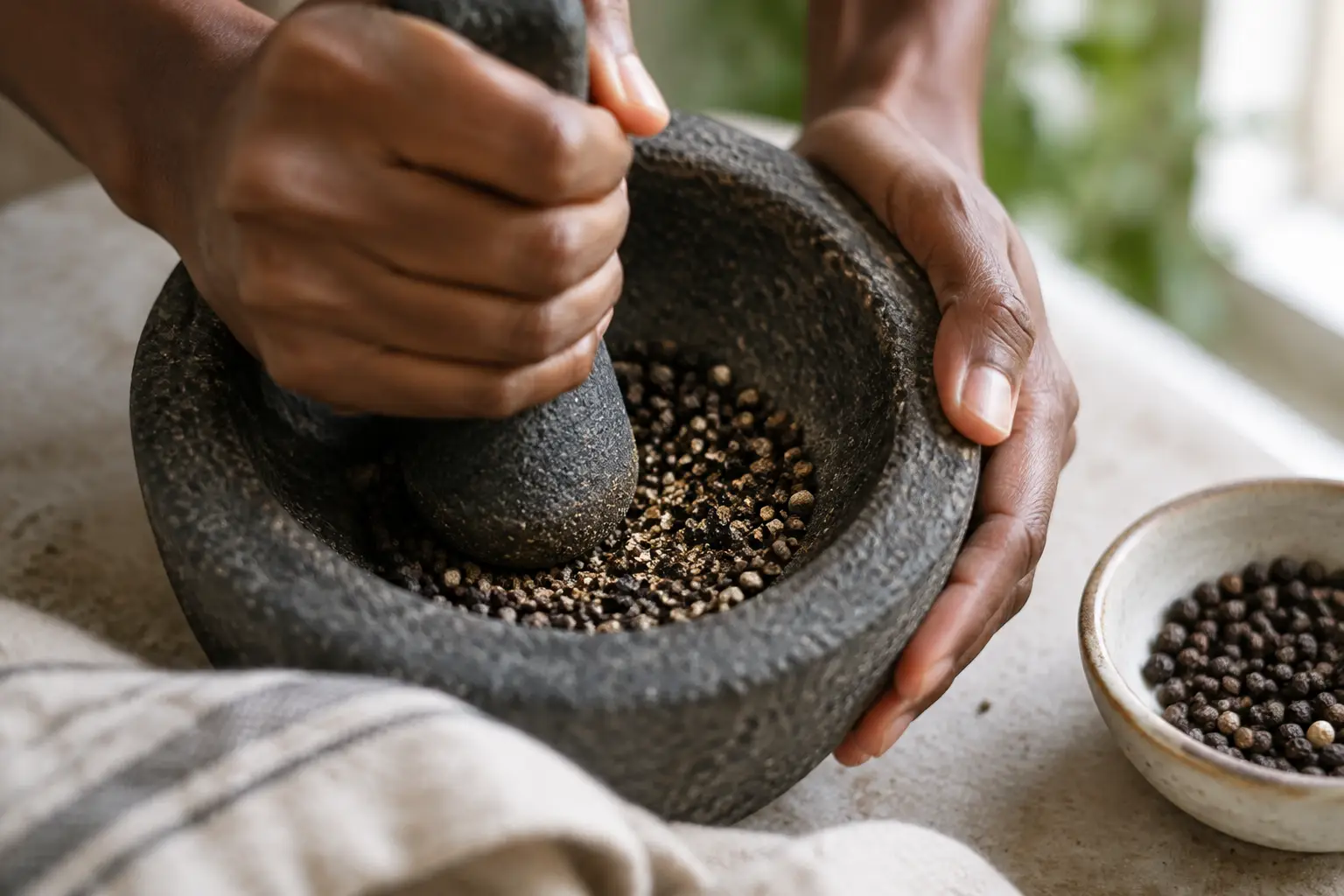
A mortar and pestle is the best all-round manual substitute for a small batch. Add a modest amount at a time and press, twist, and crush until you reach the texture you want; the rough surface helps break ingredients down gradually.
No mortar and pestle? A clean, sturdy bowl and the end of a heavy utensil can help crack a small amount of spice, though the grind will be less even. A food processor or blender can work if you have enough ingredients to reach the blades, but neither is my first choice for a tiny quantity.
Texture is one place the manual method really earns its keep: we can stop as soon as the spices are cracked or keep working until they’re fine. It takes a little elbow grease, yes, but there’s no appliance to assemble or clear out afterwards.
How To Choose And Care For A Spice Grinder
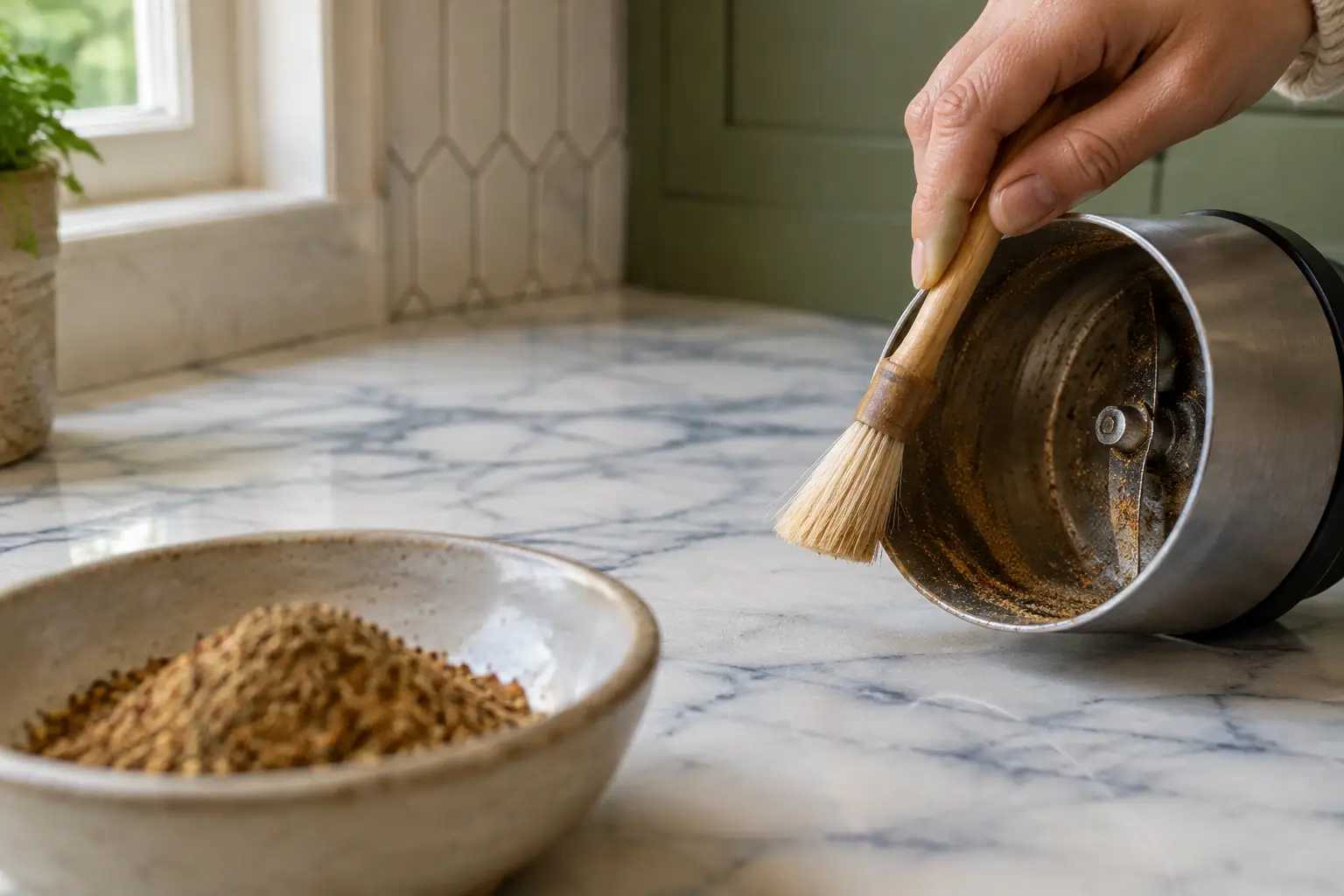
Look for a small grinding chamber, simple operation, and a setup that fits how often you grind. If you regularly switch between aromatic spices, separate cups can make cleanup easier and help keep flavours distinct. A compact electric model is convenient; a mortar and pestle asks more effort but offers hands-on texture control.
After grinding, unplug an electric appliance before cleaning and follow its care directions. Brush away dry spice residue, and make sure removable parts are fully dry before storing them. Avoid washing electrical components unless the product’s directions specifically allow it.
If you use a grinder for coffee as well, take care with strongly scented spices: leftover aroma can travel into the next batch. A separate cup or dedicated grinder keeps coffee and spice flavours where they belong.
Frequently Asked Questions
Which Spice Grinder Is Best?
For quick, small batches, the Krups F203 Electric Spice Grinder is a practical option on paper: its compact design and 200-watt motor suit cooks who want a straightforward electric grinder. Its blade design is noisy and offers less control over texture, so pulse briefly and check the grind as you go.
Which Spices Can You Grind?
Common choices include peppercorns, cumin and coriander seeds, cinnamon pieces, and nutmeg, provided the grinder’s instructions allow them. Grind in small batches and use only ingredients suited to that appliance.
What Can I Use If I Don’t Have A Spice Grinder?
I rarely use my spice grinder, unless I’m hosting a dinner party or catering. Most times, I just use a mortar and pestle for a small amount, or a sturdy bowl and heavy utensil to crack spices in a pinch. A food processor can help with larger batches or wet seasonings, but is less suited to a spoonful of dry spice.
Are Spice Grinders Worth It?
They’re worth considering if you regularly grind whole spices and want the speed and convenience of an electric tool. If you only do it occasionally, a mortar and pestle can handle small batches without adding another appliance to the cupboard.
Get Freshly Ground Spices Without The Fuss
A compact electric grinder makes small batches of spice quick and convenient, so the aroma is ready when the pot is. The Krups F203 is a straightforward fit for that job, though its blade design is louder and less adjustable than a tool built for precise texture control. If fresh-ground spices are part of your regular cooking, bring one into your kitchen and make the next batch easy.
Bring that fragrant, freshly ground flavour to your cooking. Get the Krups F203 Electric Spice Grinder here and start with your next spice jar.


