
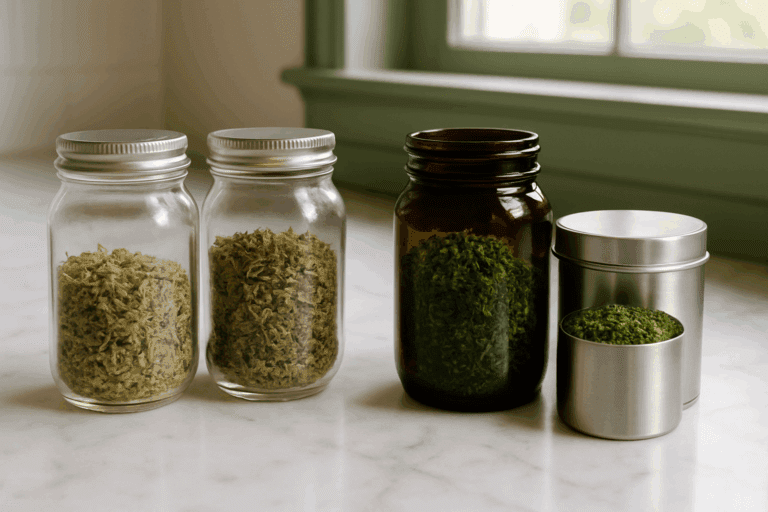
Let’s be honest, my loves—there’s nothing sadder than grabbing a bunch of once-vibrant herbs, only to find they’ve wilted into soggy green confetti or lost their soul in the spice drawer graveyard. Fresh thyme that’s limp? Basil that looks like it’s had one too many bad days? No, ma’am. Herbs are flavor magic, and if we’re not storing them right, we’re basically throwing money and taste out the window. So today, let’s glow it up: I’m breaking down how to choose the best herb storage containers for long-lasting freshness, while keeping your kitchen organized and stylish too.
Why Herb Storage Matters
Think of herbs as delicate little flavor divas. They need the right balance of air, moisture control, and light protection to keep their oils—where all that aromatic punch lives—locked in. Poor storage means your parsley goes flat, your oregano loses its perfume, and your cilantro starts smelling… not so cute. Whether you’re storing dried or fresh herbs, the container makes all the difference between “it’s giving restaurant, but make it weeknight” versus “meh.”
Best Containers for Dried Herbs and Spices
Dried herbs are low-maintenance if you give them the proper setup. The golden rules: airtight, dark, and stable. Here are some stellar options I’ve used in my own kitchen and while teaching clients how to keep herbs fresh longer:
- Glass Airtight Herb Jars: Perfect for everyday spices like thyme, oregano, and cumin. Glass locks in flavor, especially when paired with silicone-sealed lids. Look for tinted options to block too much light.
- Stainless Steel Containers for Herbs: If you’re blessed with a sunny kitchen, these beauties keep light out completely. They look modern on your shelves and protect volatile oils from degrading.
- Mason Jars for Herbs: You probably have a stash already. Great for bigger batches, especially home-dried mint or loose leaf tea storage. Pop a label on and it’s good to go—functional and homey-cute.
- Vacuum Sealed Herb Containers: For long term herb storage solutions. These keep oregano and rosemary tasting like you just picked them, even months later.
I swear by this: When you transfer dried herbs from those flimsy supermarket packets into proper airtight spice storage ideas like above, you’ll taste the difference every single time. It’s giving, “Trust me, your mouth will thank you.”
Tips for Storing Fresh Herbs in the Kitchen
Here’s where my Caribbean roots pop out, because nothing perks up a stew like fresh thyme or a sprig of rosemary. But fresh herbs? They have moods. They want attention. My go-to methods depend on the type of herb:
- Basil: Loves to be treated like flowers. Trim the stems, place in a jar of water on the countertop, cover loosely with a bag. Don’t refrigerate; it hates the cold.
- Parsley & Cilantro: Stand them up in water, cover with a produce bag, and refrigerate. Change water every couple days, and you’ll keep them perky and green for over a week.
- Woody herbs (thyme, rosemary, sage): Wrap in a barely damp paper towel, slide into a reusable food-grade herb storage bag. Pop them in the fridge—they’ll last longer than you think.
Fresh herb storage isn’t one-size-fits-all, but if you’ve got the right reusable herb storage solutions and a little patience, you’ll never suffer limp cilantro tragedy again.
Clear vs. Dark Containers: Which Is Best?
One question I get often: Should herbs be stored in clear or dark containers? Simple answer: dried herbs love the dark. Light fades flavor, so if you’re using glass, tinted or opaque jars are better. That said, if you organize your spice shelf in a cabinet away from sunlight, clear glass jars for spice storage are totally fine and actually more convenient—you can see what’s what at a glance. Fresh herbs, on the other hand, aren’t bothered by light as much, but they do need humidity control for herbs to stay lively.
FAQs About Herb Storage
What is the best container to keep herbs fresh?
If we’re talking dried herbs, an airtight jar—glass or stainless steel—is always top pick. For fresh herbs, food grade herb storage bags or simple mason jars with water work wonders. It really depends on whether you’re preserving leaves long-term or just through the week.
How long do herbs last in airtight containers?
Dried herbs in airtight herb jars can stay vibrant for 1–3 years, but potency declines with time. Personally, I refresh my stash every 12 months—trust me, that’s how you keep your cooking next-level.
Are glass containers better than plastic for storing herbs?
Yes, darling. Glass doesn’t absorb smells or stains, and it seals better without leaching anything funky. Plastic can sometimes let your mind-blowing herbs turn dull faster. Stainless steel is also a strong contender.
Do vacuum-sealed jars keep herbs fresh longer?
Absolutely. Vacuum sealed herb containers minimize oxygen and light exposure, which are the two big culprits of flavor loss. Perfect for big harvests or when you buy dried herbs in bulk.
Can mason jars be used to store fresh herbs?
One hundred percent. Treat them like little vases for your herbs, and they’ll stay lively. Just remember basil wants to lounge on the counter, cilantro and parsley prefer the fridge.
Chef Sam’s Flavor Glow-Up Tips for Herb Storage
- Label your jars with the date—herbs don’t like to hide their age, but you’ll want to keep track.
- Store herbs away from heat sources like stoves. The oils inside are delicate, and heat speeds up flavor loss.
- Smell proof herb containers aren’t just about hiding strong aromas—they also help trap volatile oils so your dishes sing the way they should.
- Eco friendly herb jars? Yes, please. Bamboo lids, reusable glass, no single-use bags—it’s stylish and sustainable.
Final Bite
The truth is, the best herb storage containers for long-lasting freshness aren’t just about keeping your kitchen tidy. They’re about preserving the soul of your food. Imagine sprinkling dried oregano into your sauce and it still hits with that piney, almost citrus zip… or grabbing fresh cilantro that’s fresh enough to make your salsa sing. That’s the little shift that turns dinner into so delicious joy.
So my advice: invest in some airtight glass jars for spice storage, a set of stainless steel tins for the sunniest spots in your kitchen, and keep those mason jars handy for fresh herbs. Your tastebuds—and your recipes—will be glowing up in no time.
Now go give your spice rack some love. Swap, label, refresh. Let your herbs shine like they deserve. Because when your herbs are happy, everything you cook turns into a flavor bomb. Trust me, your mouth will thank you.
— Chef Samantha George


